Custom Online CNC Turning Services

Custom CNC turning services offering rapid lead times and competitive pricing, from rapid prototyping to full-scale production. Capable of achieving tight tolerances down to 0.005 mm, with lead times as short as 1 day.

Start A CNC Turning Quote

Drag and drop file or click to upload

STEP | STP | SLDPRT | IPT | PRT | SAT files

CNC Turning With Zhongyuan Qichuang

Leverage our on-demand CNC turning service to obtain reliable metal and plastic turned parts tailored to your unique project needs. Utilizing advanced technology and skilled technicians, Zhongyuan Qichuang delivers high-quality custom prototypes and end-use production components. Our CNC turning capabilities ensure exceptional accuracy, even for highly complex parts. From flats to radial and axial holes, slots, and grooves, we can produce durable parts in as little as one day.

Our precision CNC turning lathes offer cost-effective solutions for both simple and intricate cylindrical geometries. With the integration of live tooling, we can accurately machine detailed features such as axial and radial holes, grooves, slots, and flats. Thanks to the full automation of our versatile machines, we are able to efficiently produce large quantities of consistently precise parts—faster and more economically.

Zhongyuan Qichuang CNC Machining Solutions

From fundamental 3-axis milling to complex 5-axis projects, our precise CNC machining brings your designs to life with exceptional accuracy and expert craftsmanship.

Rapid Prototyping

Speed up your product development with our rapid machining services. We specialize in fast turnaround and the quick production of high-quality prototypes and mold tooling, supporting efficient design verification and iteration.

Low and High-Volume Production

Whether you require small batches or high-volume production, we’ve got you covered. With strict tolerance control and extensive capabilities, we accommodate your production needs while maintaining exceptional quality.

CNC Turning Materials

Our CNC turning services support a wide range of materials, including high-quality metals and plastics. Whether you’re looking for precision-turned aluminum components or parts made from other materials, we deliver accurate rapid prototypes and low-volume production to suit your requirements. Explore some of the commonly used materials for your CNC turning projects.

Metals

Plastics

CNC Milling Surface Finishes

Get high-quality surface finishing for custom CNC milled parts to eliminate aesthetic imperfections and enhance your product’s appearance. Our superior surface finishes also offer durable protection, increasing your parts’ resistance and strength.

As Machined

The as-machined finish presents the surface directly from the CNC process, offering a cost-effective option that typically shows tool marks.
Anodizing

Anodizing enhances corrosion resistance and wear durability, while also enabling color dyeing, making it ideal for aluminum components.
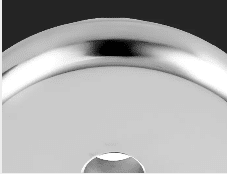
Polishing

Polishing creates a high-gloss finish by reducing surface roughness, thereby improving the visual appeal of metal parts.
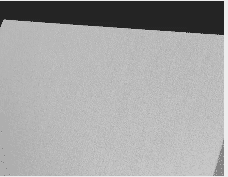
Sand Blasting

Sand blasting employs pressurized sand or other abrasive media to clean and texture surfaces, producing a consistent matte finish.
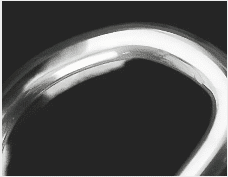
Tumbling

Tumbling smooths and polishes small parts through friction and abrasion inside a barrel, resulting in a consistent finish with a slight texture.
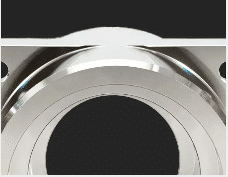
Electropolish

Electropolishing is a chemical treatment that smooths and brightens surfaces while enhancing corrosion resistance.
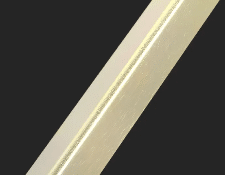
Alodine

Alodine coating offers corrosion protection and enhances paint adhesion, primarily applied to aluminum surfaces.
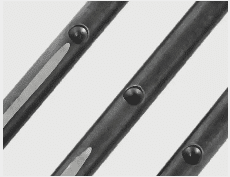
Heat Treatment

Heat treatment modifies the mechanical properties of metal to enhance its hardness, strength, or ductility.
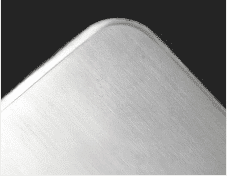
Brushed Finish

A brushed finish produces a unidirectional satin texture that helps minimize the visibility of marks and scratches on the surface.
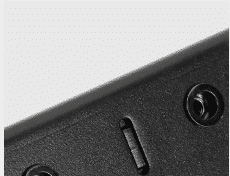
Powder Coating

Powder coating applies a durable, wear-resistant layer that offers excellent color and texture options, making it suitable for various surfaces.
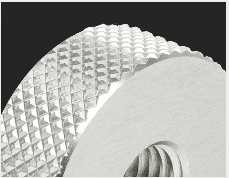
Electroplating

Electroplating deposits a thin metal layer onto parts, enhancing wear resistance, corrosion protection, and surface conductivity.
Black Oxidize

Black oxide is a conversion coating for ferrous metals that enhances corrosion resistance and reduces light reflection.
Tolerances for CNC Turning

As an ISO 9001 certified company, we manufacture CNC turning lathe parts that meet strict tolerance requirements. Depending on your design specifications, our CNC lathes can achieve tolerances as tight as ±0.005”. For standard projects, we follow ISO 2768-m tolerances for CNC milled metals and ISO 2768-c for plastics.

DescriptionSize
Maximum Part Size
Typically up to 500 mm in diameter and 1500 mm in length, though larger sizes can be accommodated with specific equipment.
Minimum Part Size
As small as 1 mm in diameter, depending on the material and machining setup.
General Tolerances
Standard tolerances of ±0.01 mm; tighter tolerances down to ±0.005 mm can be achieved based on the material and complexity of the part.
Lead Time
Standard lead times range from 3-7 days for small batches. Expedited services are available, reducing lead time to 24-48 hours depending on part complexity and material availability.

CNC Turning Design Guidelines

Recommended Size
Radii
Minimum internal radius of 0.5 mm recommended. Larger radii (up to 3 mm or more) can improve tool access and reduce stress concentrations in the part.
Threads and Tapped Holes
External and internal threads can be precisely cut. Standard thread sizes from M1.6 and larger are feasible. Ensure a minimum thread length of 1.5 times the diameter for stability.
Minumum Wall Thickness
Maintain a minimum wall thickness of 0.8 mm for metals and 1.5 mm for plastics to ensure structural integrity without compromising the machining process.
Text
Engraving should have a minimum character height of 2 mm and a depth of at least 0.5 mm to ensure legibility after machining.
Holes
Minimum hole diameter of 0.5 mm. For deep holes, maintain a diameter to depth ratio of 1:10 to avoid tool deflection and ensure hole quality.

Why Choose Us

Zhongyuan Qichuang is a trusted CNC turning provider, consistently offering dependable CNC turning services across various industries. Our dedication and advanced technological solutions enable us to deliver complex prototypes and production parts that align with your specific requirements.

/01 High Quality Parts

Achieve unmatched precision in every project. Our advanced milling techniques deliver components with tight tolerances—down to ±0.01mm—ensuring flawless assembly and superior performance.

/02 Fast Lead Time

Speed up your production timeline with confidence. Zhongyuan Qichuang’s local facilities and cutting-edge equipment ensure quick turnaround times, enabling businesses to stay on track and meet essential deadlines.

/03 Engineering Support

Wherever you are and whenever you need us, navigate your CNC milling projects with confidence. Our experienced specialists provide expert guidance at every stage, ensuring optimal design and top-tier output quality.


How Does CNC Turning Work?

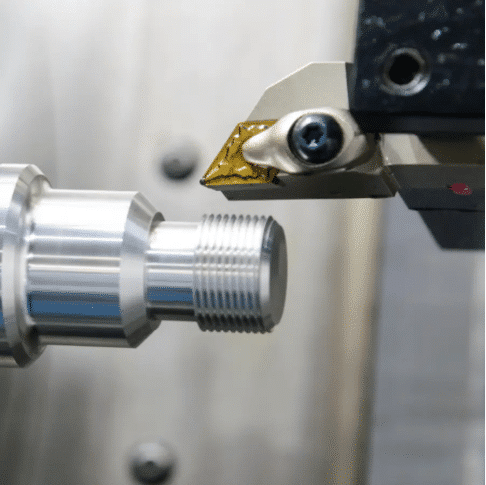
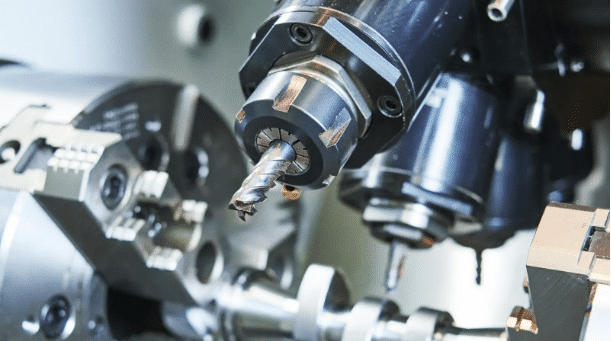
CNC turning is a subtractive manufacturing process that employs computer-controlled lathes to accurately shape materials into cylindrical components. The process begins with designing the part using CAD software, which is then converted into machine-readable instructions through CAM software. During setup, the appropriate cutting tools are installed, and the cylindrical workpiece is securely clamped in the machine’s chuck, which rotates the material.

As the machine runs, the workpiece spins at high speeds while the cutting tools move along different axes to cut, carve, and shape the material according to the programmed specifications. Common operations performed during this phase include facing, threading, knurling, and drilling. A coolant is typically used to manage heat and remove chips from the cutting area.

Once machining is complete, the part may go through secondary finishing processes such as sanding or polishing. A final inspection ensures the part meets all specified dimensions and tolerances. This method enables high precision and consistency, making CNC turning an excellent choice for efficiently producing complex parts.

Advantages

Advantages of CNC Turning

CNC turning provides a range of advantages that make it a preferred choice for manufacturing precise cylindrical components. Key benefits include:

High Precision and Accuracy: CNC turning machines can achieve exceptionally tight tolerances, which is crucial for parts that need to integrate seamlessly into complex assemblies.

Production Efficiency: Once set up and programmed, these machines operate quickly and consistently, often with minimal supervision, significantly speeding up production cycles.

Adaptability: CNC turning machines can be easily reprogrammed for different designs, allowing for quick adjustments and making them ideal for varied production requirements.

Consistency and Repeatability: Automation ensures that each part produced is identical, even in high-volume production runs, maintaining uniform quality throughout.

Lower Labor Costs: With reduced manual input, CNC turning minimizes labor expenses and decreases the risk of human error, improving both efficiency and cost-effectiveness.

Material Compatibility: CNC turning supports a broad spectrum of materials, including metals, plastics, and composites, making it suitable for diverse manufacturing applications.

Applications

Applications of CNC Turning

As a leading manufacturer of turned parts, Zhongyuan Qichuang leverages CNC turning to produce a wide range of precision components, commonly used in applications where accuracy and fit are essential. Below is an overview of typical parts manufactured through this process:

Shafts – These are essential elements in many machines, functioning as axes or pivots. Precision in diameter and surface finish is key to ensuring smooth interaction with other mechanical parts.

Flanges – Used to connect pipes, pumps, or valves, flanges require highly accurate machining to guarantee a tight fit and prevent leakage.

Bushings and Sleeves – These components provide a smooth bearing surface for other parts to rotate or slide against, requiring precise internal diameters and high-quality surface finishes.

Pins – Though small, pins play a critical role in aligning or fastening components. They must be manufactured with exact dimensions to ensure a secure and accurate fit.

Knobs and Dials – These interface components are often used in machinery and electronic devices. Their functionality and appearance depend on precise dimensions and clean finishes.

Wheels and Rollers – Commonly used in conveyor systems and other machinery, these parts require consistent shape and surface smoothness to minimize friction and wear.

Through CNC turning, Zhongyuan Qichuang ensures all these components meet high standards of precision and reliability.

FAQs

CNC turning is used to produce cylindrical and symmetrical parts centered around their axis. This process is commonly employed to manufacture components such as shafts, pins, rods, bushings, and pulleys. It is also well-suited for cutting external threads, internal boreholes, and intricate contours on cylindrical surfaces. The high precision of CNC turning enables tight tolerances and smooth finishes, making it ideal for parts that demand precise fits and movements, frequently used in automotive, aerospace, and industrial machinery applications.

Yes, CNC turning is versatile enough to work with a variety of materials, including plastics. Common plastics machined on CNC lathes include ABS, polycarbonate, PTFE (Teflon), nylon, and acetal. Each material has distinct properties—for example, nylon is valued for its strength and resistance to friction, while acetal offers excellent machinability and dimensional stability. Turning plastics demands careful control of cutting speeds and the selection of appropriate tools to avoid melting or deformation, ensuring the production of high-quality, precise parts suitable for diverse applications.


CNC milling and CNC turning are both subtractive manufacturing methods, but they differ in the way material is removed.

In CNC milling, the workpiece remains stationary while the cutting tool moves along multiple axes to remove material and shape the part. This process is well-suited for creating complex components with features like slots, holes, and contours.

Conversely, CNC turning involves rotating the workpiece as a stationary cutting tool removes material. This approach is ideal for producing cylindrical parts such as shafts, rings, and bolts. Although milling can accommodate more intricate geometries, turning is generally faster and more efficient for manufacturing round parts.

A CNC turning center is a computer-controlled machine engineered to produce cylindrical parts with high precision. It can manufacture a broad variety of components, including shafts, pins, screws, bushings, and other detailed parts. Highly versatile, the CNC turning center performs multiple operations such as facing, turning, threading, grooving, drilling, and complex contouring. Its advanced automation ensures consistent quality and efficient production of both simple and complex CNC turning parts across various industries.


Scroll to Top