Die Casting Services — OEM & ODM

Precision Die Casting for Aluminum & Zinc Alloy Parts

One-stop manufacturer in Dongguan — from mold development and die casting to CNC machining, finishing, and inspection. Serving automotive, electronics, lighting, and industrial clients in 20+ countries.

  • Aluminum & Zinc Die Casting
  • In-House Mold Fabrication
  • CNC Machining & Finishing
  • CMM · X-ray · 3D Scan QC
IATF 16949 ISO 14001 D-U-N-S® Certified 10+ Years
Full-Process Manufacturing

One-Stop Die Casting Manufacturing

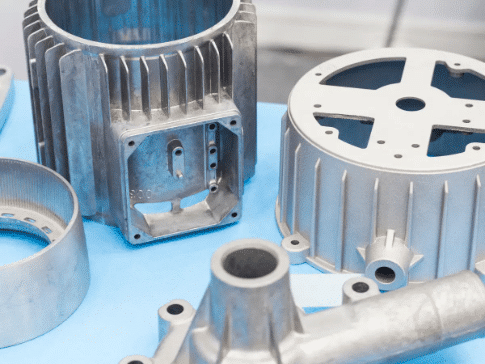
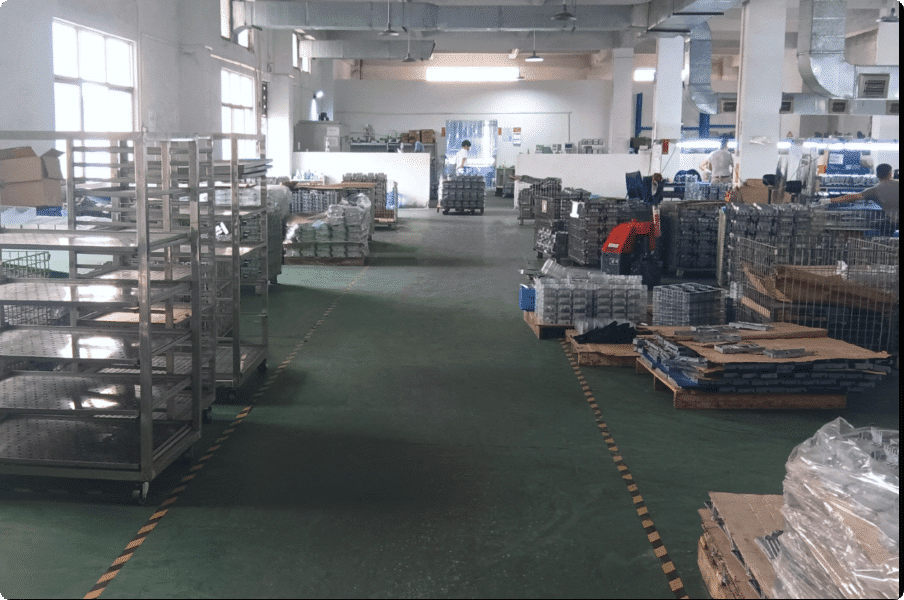
Zhongyuan offers one-stop die casting manufacturing services for custom aluminum and zinc alloy parts. By integrating mold development, die casting, machining, finishing, quality inspection, and packaging under one roof, we help customers reduce supplier coordination, shorten lead times, and maintain better consistency across production.

Our die casting services are suitable for projects that require repeatable dimensions, reliable mechanical performance, and good surface quality. We work with both functional and appearance-sensitive parts and support customers from initial inquiry to volume production.

10+
Years Experience
20+
Export Countries
6
Listed Company Clients
OEM / ODM
Full Project Support
Production Equipment

Our Die Casting Capabilities

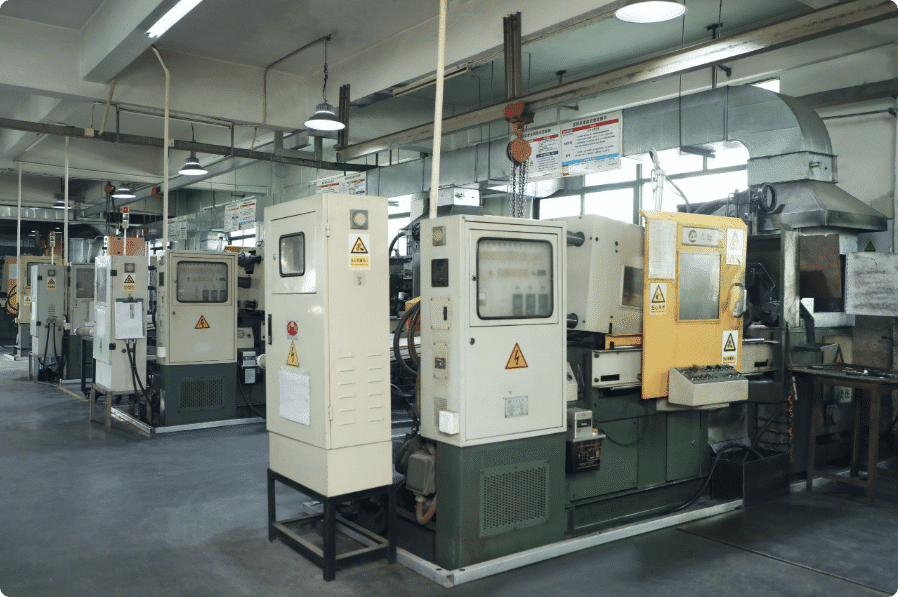
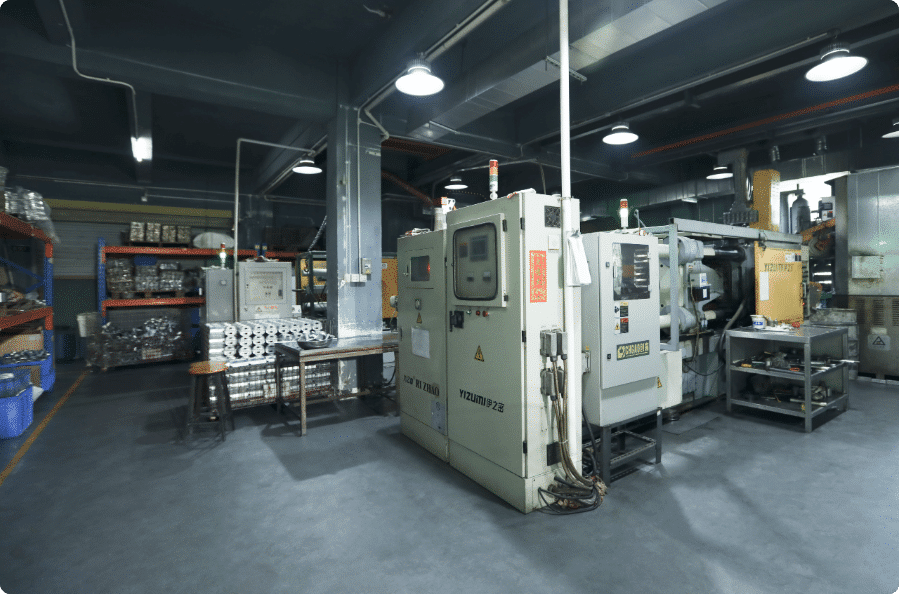
We provide aluminum die casting services and zinc die casting services for a wide range of custom OEM and ODM applications. Our facility is equipped to support different part sizes, structural requirements, and production volumes, allowing us to respond to both new development and ongoing supply programs.

Our main production equipment includes:

  • Aluminum alloy die-casting machines: 800T ×2, 630T ×2, 420T ×1, 280T ×2
  • Zinc alloy die-casting machines: 6 sets
  • CNC machining centers: 20 sets
  • Robotic grinding and polishing workstations
  • Automated stamping and burr-removal equipment
  • In-house mold design and mold manufacturing capability

With this integrated setup, we can control key production stages more effectively and provide customers with a more reliable manufacturing workflow. This also helps improve communication speed during sampling, process adjustment, and mass production.

Die casting equipment

Zinc alloy production

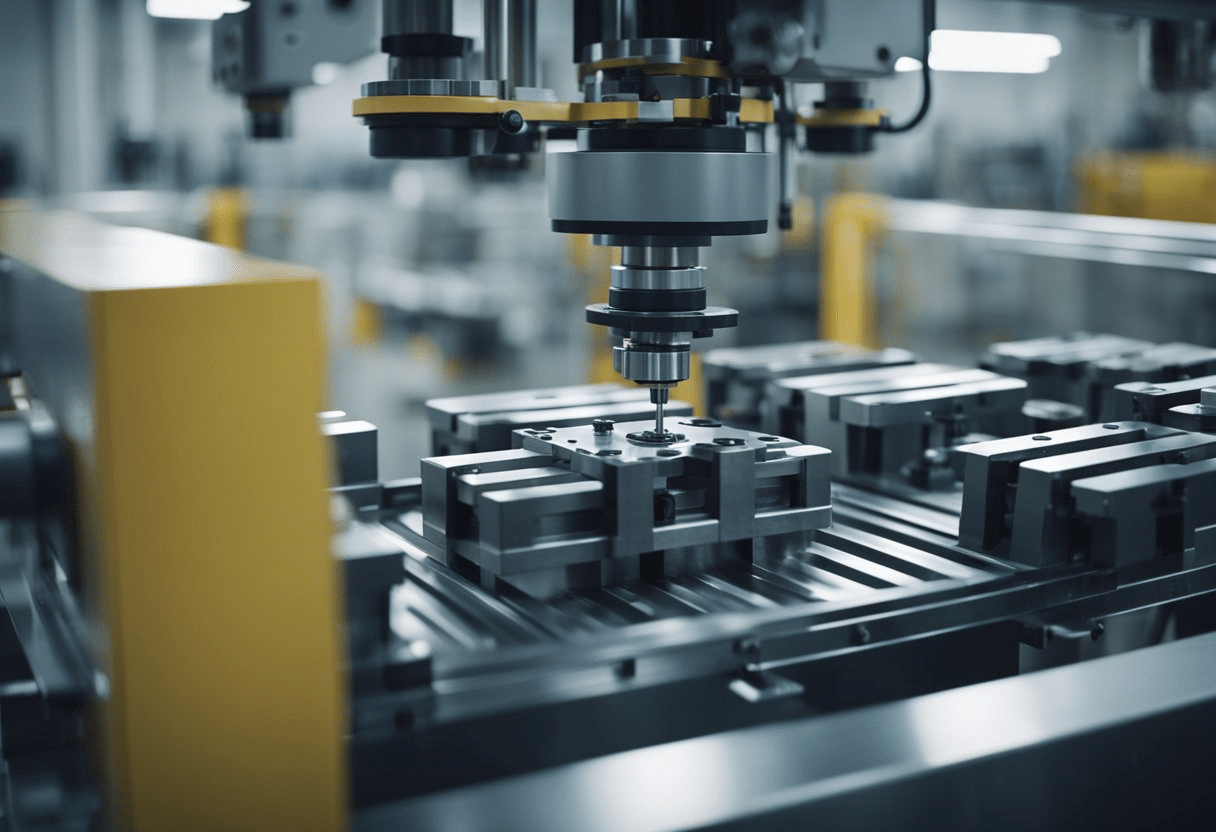
Precision CNC machining

Material Solutions

Aluminum and Zinc Die Casting Solutions

Aluminum Alloy

Aluminum Die Casting

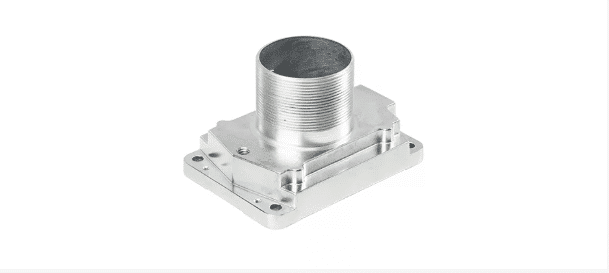
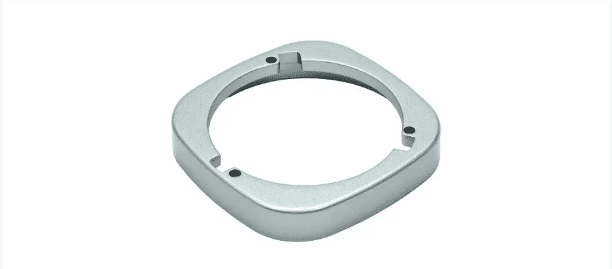
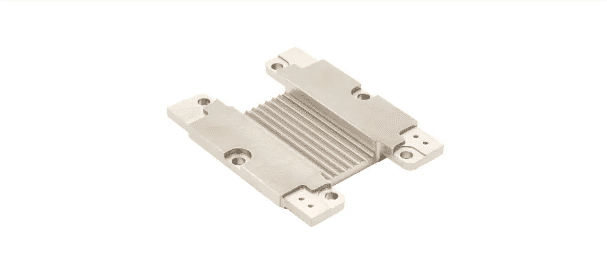
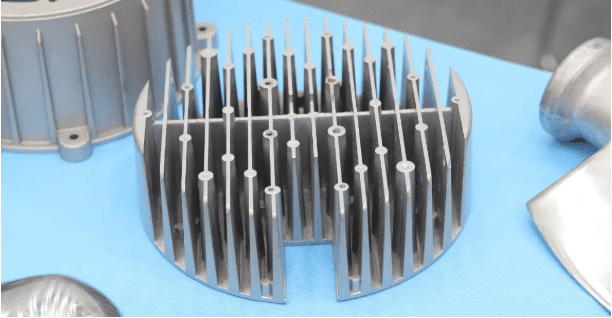
Aluminum die casting is commonly used for lightweight structural components, brackets, housings, covers, and heat-dissipation parts. Material selection is evaluated based on part geometry, strength needs, weight targets, surface finish expectations, and downstream machining or assembly requirements.

Zinc Alloy

Zinc Die Casting

Zinc die casting is often preferred for precision parts, thin-wall components, decorative hardware, and products that require fine details and strong surface appearance. It supports high-accuracy applications where tight tolerances and cosmetic quality are critical.

If needed, our team can also provide manufacturability feedback during the quotation and development stage. This helps customers improve part design, reduce unnecessary machining, and optimize overall production cost.

Secondary Processing

In-House Secondary Operations

To deliver finished parts that are ready for assembly or shipment, we provide a full range of secondary operations in-house. This allows us to maintain tighter quality control and reduce delays that can happen when multiple suppliers are involved.

  • CNC milling and turning
  • Drilling and tapping
  • Deburring and trimming
  • Grinding and polishing
  • Powder coating and other surface finishing processes
  • Assembly and final packaging

By keeping these operations in-house, we can better control dimensional accuracy, appearance quality, and delivery schedules. For customers, this means a more efficient and dependable supply chain.

Tooling & Mold Design

Mold Development and Production Support

As a custom die casting manufacturer, we understand that tooling quality directly affects part quality, consistency, and long-term production stability. That is why we provide in-house mold design and mold fabrication support for new product development projects.

01
Early-Stage Design Review From the early stage of drawing evaluation, we work with customers to review part structure, draft angles, wall thickness, and production feasibility to identify potential issues early.
02
Stable Sampling Foundation Early review creates a better foundation for stable sampling and mass production. Issues resolved at design stage prevent costly changes later.
03
OEM / ODM Engineering Support For OEM and ODM projects, we balance manufacturability, part performance, surface quality, and cost control so projects move forward more efficiently.
Quality Assurance

Quality Control for Reliable Die Cast Parts

Quality control is built into every stage of our production process, from incoming material verification and mold validation to in-process checks and final inspection. We focus on dimensional accuracy, structural integrity, and production consistency to help customers reduce risk in mass production.

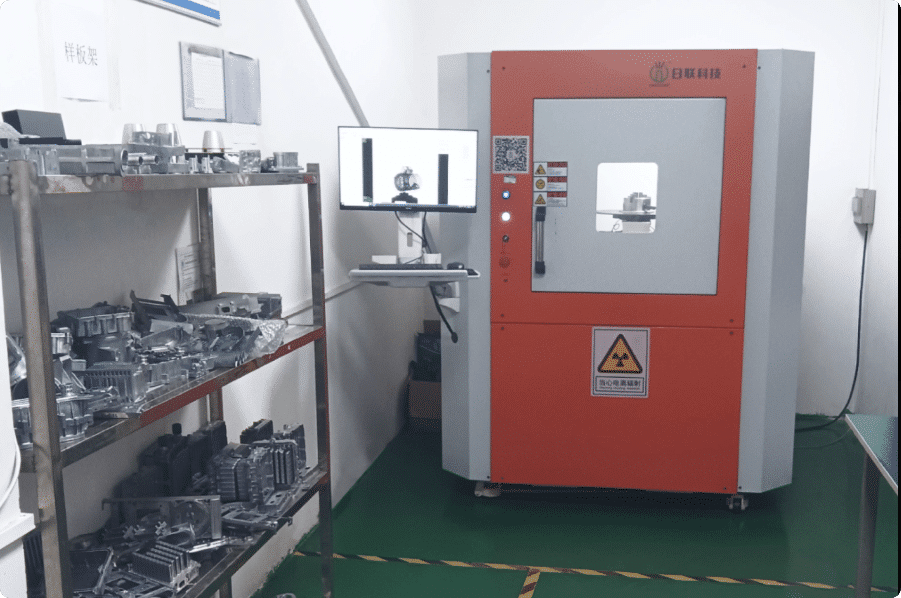
These inspection resources help us verify critical dimensions, internal quality conditions, material properties, and overall production reliability. For customers with strict quality requirements, this in-house inspection capability adds an important layer of confidence and traceability.

Our Quality Inspection Center is equipped with:

  • Coordinate Measuring Machine (CMM)
  • X-ray flaw detector
  • 3D scanner
  • Microcomputer tensile testing machine
  • Direct-reading spectrometer
International Certifications

Certified Manufacturing System

Our manufacturing system is supported by internationally recognized certifications that reflect our commitment to process control, quality management, and responsible production. We continuously improve our internal management standards to meet the expectations of global industrial customers.

These certifications are especially important for customers in automotive, industrial, and export-oriented supply chains, where stable management systems and documented quality practices are essential.

IATF 16949:2016
Automotive Quality Management System
ISO 14001:2015
Environmental Management System
Dun & Bradstreet Global Certification
D-U-N-S® Number: 554551629
Application Markets

Industries We Serve

Our custom die casting parts are widely used in industries that require precision, repeatability, and dependable product quality. Over the years, we have built experience serving customers with both technical and appearance-driven component requirements.

Because different industries have different expectations for strength, appearance, tolerance, and finishing, we tailor our production approach to fit the actual use case of each part.

  • Automotive parts — roof rack components, brackets, pedals, and housings
  • Electronics and telecommunications components
  • Lighting and home appliance parts
  • Medical equipment and machinery components
  • Cosmetics and perfume packaging hardware
  • Decorative and architectural hardware

Automotive

Electronics

Lighting

Decorative Hardware
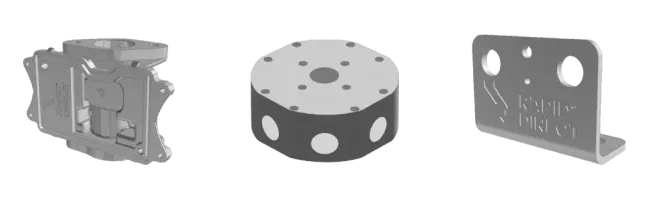
Why Work With Us

Why Choose Zhongyuan

Customers choose Zhongyuan because we combine die casting, machining, finishing, and inspection into one complete manufacturing system. This helps reduce production complexity and gives customers a more direct, efficient path from concept to finished part.

01
10+ Years Experience
More than a decade of OEM and ODM manufacturing experience in die casting.
02
One-Stop Production
Mold to finished part — all processes managed in-house under one roof.
03
Al & Zn Die Casting
Dedicated expertise in both aluminum alloy and zinc alloy die casting applications.
04
In-House CNC & Finishing
Full CNC machining, polishing, coating, and secondary processing on-site.
05
Strong Quality Control
CMM, X-ray, 3D scanner, and spectrometer — full in-house inspection capability.
06
20+ Export Countries
Serving global customers across Europe, North America, and Southeast Asia.
07
Listed Company Clients
Cooperation experience with 6 publicly listed companies across industries.
08
Fast Response
Quick turnaround on drawings, quotations, samples, and project inquiries.

Our goal is not only to manufacture parts, but also to help customers build a more reliable and scalable supply solution. We value long-term cooperation based on quality, responsiveness, and practical execution.

Manufacturing Workflow

Our Die Casting Process

We follow a structured production process to improve efficiency, reduce risk, and keep projects moving smoothly from inquiry to shipment.

This process helps ensure each project receives the right technical attention before entering full production. It also helps customers identify possible improvements earlier in the development stage.

  1. 01
    Drawing & Requirements Review
    Review drawings, specifications, and application requirements with the customer.
  2. 02
    Manufacturability Evaluation
    Evaluate manufacturability and recommend process improvements where needed.
  3. 03
    Mold Development & Sampling
    Develop mold and prepare first article samples for customer confirmation.
  4. 04
    Sample Confirmation & Mass Production
    Confirm samples with customer and start full die casting production run.
  5. 05
    CNC & Secondary Operations
    Complete CNC machining and all required secondary processing operations.
  6. 06
    Inspection, Finishing & Packaging
    Perform full quality inspection, finishing, assembly, and export packaging.
  7. 07
    Shipment & Delivery
    Arrange shipment based on customer schedule and delivery plan requirements.
FAQ

Die Casting FAQ

Common questions about our die casting services, materials, mold development, and capabilities.

What materials do you offer for die casting?

We mainly provide aluminum die casting services and zinc alloy die casting services for custom OEM and ODM parts.

Can you provide CNC machining after die casting?

Yes. We provide in-house CNC machining, drilling, tapping, deburring, polishing, coating, assembly, and other secondary processes.

Do you support custom mold development?

Yes. We provide in-house mold design and mold fabrication for new product development and mass production projects.

Which industries do you serve?

We serve customers in automotive, electronics, lighting, home appliances, medical equipment, machinery, cosmetics packaging, and decorative hardware industries.

Can you manufacture both functional and appearance parts?

Yes. We support both structural components and appearance-sensitive parts, depending on the application and finishing requirements.

Can you support OEM and ODM projects?

Yes. We support OEM and ODM manufacturing and can work from customer drawings, samples, or development requirements.

Get Started Today

Start Your Die Casting Project

Looking for a reliable die casting manufacturer in China for custom aluminum or zinc alloy parts? Send us your drawings, specifications, or sample requirements, and our team will evaluate the most suitable production solution for your project.

IATF 16949 Certified ISO 14001 Certified 10+ Years Experience 20+ Countries Served

Die Casting Services

Get custom die-cast metal parts with quick turnaround times. Request a quote to get started today. Certified to ISO 9001:2015, ISO 13485, ISO 14001:2015, and IATF 16949:2016 standards.

Start A Die Casting Quote

Drag and drop file or click to upload

STEP | STP | SLDPRT | IPT | PRT | SAT files

/01 High Quality Parts

ISO 9001:2015 certified, RapidDirect delivers precision die casting backed by comprehensive quality inspections at every stage—including pre-production, in-production, first article inspection, and pre-delivery.

/02 Fast Lead Time

Zhongyuan Qichuang ’s network of die casting manufacturers in China ensures high efficiency and fast production. Our advanced, automated facilities are equipped to handle complex, custom projects with ease.

/03 Die Casting Specialist

As experts in custom die casting solutions, we improve product durability while minimizing costs. Our advanced techniques and state-of-the-art machinery ensure each part meets the highest standards of quality, functionality, and aesthetics.

What is Die Casting?

Die casting is a highly efficient manufacturing method for producing detailed, high-volume metal parts. This process utilizes specialized molds—called dies—designed to create multiple parts at once, ensuring both consistency and productivity. Commonly used with metals like aluminum and zinc, die casting involves injecting molten metal into these molds under high pressure.

Zhongyuan Qichuang  cooling and solidification preserve fine details and intricate designs, minimizing the need for extensive secondary processing. However, certain projects may still require post-machining to meet tighter tolerances.

At Zhongyuan Qichuang , our experts thoroughly evaluate each die casting project to ensure our approach aligns with your exact specifications. We focus on optimizing production flow while maintaining high standards of durability and visual quality. Through advanced casting techniques and precision machinery, we deliver parts that excel in both performance and appearance—enhancing the overall value of your final product.

Die Casting Materials

We primarily work with aluminum, zinc, magnesium, and copper—each selected for their distinct properties and advantages in die casting applications.

Aluminum Die Casting

Aluminum’s combination of light weight and strength makes it perfect for automotive and aerospace components that demand durability with minimal mass.

Zinc Die Casting

Renowned for its strength and durability, zinc allows for precise, high-tolerance casting—ideal for intricate designs and long-lasting components.

Magnesium Die Casting

As the lightest structural metal, magnesium provides an outstanding stiffness-to-weight ratio, making it ideal for applications where weight is a critical factor.

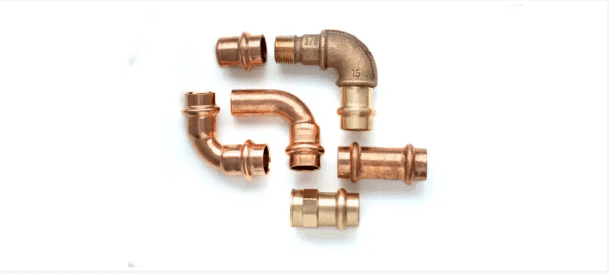
Copper Die Casting

Copper is ideal for components like heat sinks and electrical connectors due to its excellent thermal and electrical conductivity.

Die Casting Surface Finishing

Select from our range of surface finish options to enhance corrosion resistance and add vibrant colors to your die cast parts.

As Cast

Offers a basic, functional finish for die cast products, featuring relatively smooth surfaces with minor tool marks, ideal for non-cosmetic applications.
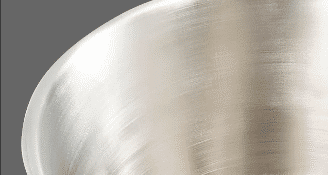
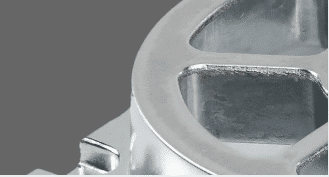
Polishing

Improves surface smoothness and shine of metal casts by reducing roughness, resulting in a visually appealing high-gloss finish.
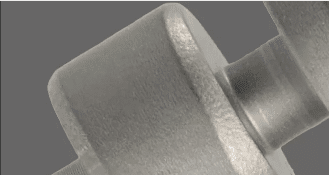
Sand Blasting

Provides a consistent matte finish by blasting the surface with fine particles, which also removes minor imperfections and prepares the surface for additional treatments.
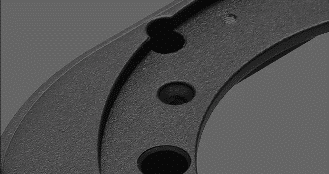
Anodizing

Enhances corrosion resistance and wear durability of aluminum cast parts, while offering the option for coloration to improve both longevity and appearance.
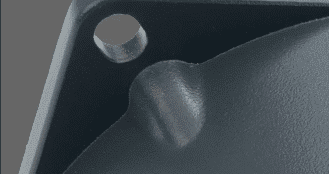
Powder Coating

Forms a thick, even coating that is more durable than traditional paint, perfect for adding vibrant colors along with extra protection against corrosion and chipping.
Zhongyuan Qichuang Die Casting Capabilities

Zhongyuan Qichuang  offers a transparent summary of our capabilities, showcasing key performance and quality metrics through comprehensive, detailed tables.

Description
Minimum Part Weight
0.017 kg
Maximum Part Weight
12 kg
Minimum Part Size
∅17 mm × 4 mm
Maximum Part Size
300 mm × 650 mm
Minimum Wall Thickness
0.8 mm
Maximum Wall Thickness
12.7 mm
Quality Control
ISO 9001 Certified
Minimum Possible Batch
1000 pcs

Get a Rapid Quote for Die Casting

Get a personalized die casting quote from RapidDirect in just a few clicks. Our easy-to-use online platform lets you upload your project details and quickly receive a precise, competitive quote. We specialize in high-precision die casting for both low and high-volume production, working with aluminum, zinc, and other metals. Our quotes are clear and comprehensive, giving you full visibility into pricing and lead times. Whether you need complex custom parts or standard components, RapidDirect’s fast quote system simplifies your project kickoff—backed by our dedication to quality and rapid turnaround.

Types of Die Casting Processes

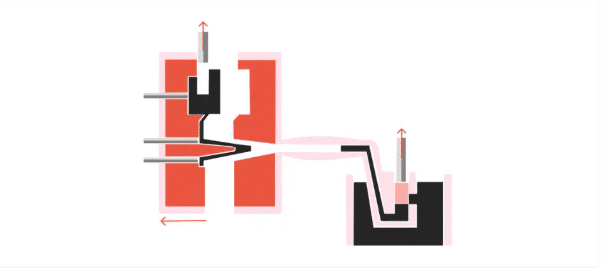
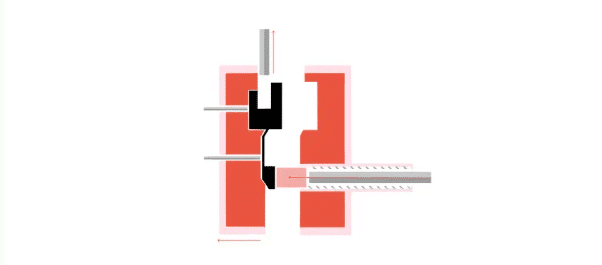
Zhongyuan Qichuang  offers complete die casting solutions, employing both Hot Chamber and Cold Chamber methods to accommodate various materials and meet specific project needs.

Hot Chamber Die Casting

This method is highly efficient for metals with lower melting points like zinc and magnesium. Featuring a furnace integrated with the casting machine, it enables rapid and continuous production cycles. Molten metal is injected directly from the heated chamber into the mold, making it ideal for parts that demand precise dimensional accuracy and improved mechanical properties.

Cold Chamber Die Casting

This method is ideal for metals with higher melting points, such as aluminum and copper alloys. In this process, molten metal is manually poured into the cold chamber before each injection, which helps shield the equipment from extreme heat, increasing its longevity and efficiency. It is especially well-suited for producing large, robust components with intricate designs and excellent strength.

Applications of Die Casting

Die casting is a highly adaptable manufacturing process, valued across numerous industries for its precision and dependability. Key applications include:

  • Automotive: Ideal for producing components such as engine blocks, gearboxes, and pistons, thanks to die casting’s ability to deliver durability and tight dimensional tolerances.

  • Consumer Electronics: Enables the creation of durable, intricate parts for devices like smartphones, laptops, and cameras.

  • Lighting: Used to manufacture complex and precise shapes for light fixtures and components, ensuring high-quality performance.

  • Medical Devices: Essential for producing accurate, reliable parts for medical instruments and equipment where precision and cleanliness are critical.

  • Industrial Machinery: Suitable for manufacturing high-strength parts capable of withstanding demanding conditions and heavy use.

Advantages of Die Casting

Die casting provides numerous key advantages, making it a preferred choice for manufacturing metal components across a wide range of industries:

  • High Precision and Consistency: Capable of producing complex geometries with tight tolerances, ensuring uniform quality—ideal for high-volume production.

  • Speed: Enables rapid manufacturing through fast injection and cooling cycles, making it highly efficient for large-scale output.

  • Strength and Lightweight: Delivers strong yet lightweight parts due to the dense, fine-grained structure created under high pressure.

  • Minimal Waste: Maximizes material efficiency with low scrap rates, often minimizing the need for additional machining processes.

Disadvantages of Die Casting

While die casting offers many advantages, it also comes with certain limitations:

  • High Initial Investment: The cost of dies and specialized equipment can be substantial, making it less cost-effective for low-volume production.

  • Material Limitations: Best suited for metals with lower melting points; casting high-melting-point metals can be more complex and less efficient.

  • Porosity Issues: Rapid cooling may trap air, leading to porosity that can compromise the structural integrity of the parts.

  • Size Constraints: Most effective for producing smaller parts, as maintaining dimensional accuracy and consistency becomes more difficult with larger components.

  • Post-Processing Needs: Although typically minimal, some parts may require additional machining or finishing to achieve precise tolerances or desired surface quality.

FAQs

Die casting is a manufacturing process that involves injecting molten metal into a mold cavity under high pressure. The mold, referred to as a “die,” consists of two precisely machined, hardened steel components that function similarly to an injection mold. The process unfolds as follows:

  • Mold Preparation: The die is coated with a lubricant to ease part removal and help regulate temperature during casting.

  • Molten Metal Injection: Molten metal is forced into the die at high pressures—typically between 10 and 175 megapascals (1,500 to 25,000 psi)—and maintained until solidification.

  • Cooling and Solidification: The metal rapidly cools and hardens within the mold, forming the final shape.

  • Ejection: After the part has solidified, the die halves open, and the finished casting is ejected.

  • Trimming: Excess material, such as gates, runners, and flash, is removed to refine the part.

This process ensures precise, high-quality metal components suitable for mass production.

When designing components for die casting, several critical factors should be taken into account to optimize both functionality and manufacturability:

  • Wall Thickness: Aim for uniform wall thickness throughout the part to ensure consistent cooling and solidification. This helps reduce the likelihood of defects such as warping or internal stresses. While thinner walls are advantageous for faster cooling and material efficiency, their viability depends on the chosen metal and part complexity.

  • Draft Angles: Integrate appropriate draft angles into the design to facilitate the smooth ejection of the part from the die. A typical draft angle ranges from 1 to 2 degrees, adjusted according to the part’s depth and geometry.

  • Fillets and Radii: Avoid sharp edges by incorporating fillets and rounded corners. This minimizes stress concentrations and improves the molten metal flow, reducing the risk of cracks and enhancing part integrity.

  • Gating System: Create an effective gating layout to guide the molten metal into the die efficiently. Well-positioned gates help minimize turbulence and reduce air entrapment, directly impacting the casting’s quality.

  • Venting: Ensure adequate venting is included in the mold design to allow trapped air and gases to escape during the injection phase. This prevents porosity and ensures complete cavity filling.

  • Simplified Geometry: Streamline the part design by avoiding unnecessary undercuts and overly complex features. Simplification reduces tooling costs, shortens lead times, and improves overall process efficiency.

By addressing these elements early in the design phase, you can enhance both the quality and cost-effectiveness of die cast parts.

In die casting, vibrations refer to mechanical oscillations occurring within the machines and molds during the process.

  • Vacuum Pressure Casting: This technique creates a vacuum inside the mold cavity to reduce air entrapment and porosity. Vibrations can disrupt the vacuum environment, causing defects in the finished part.

  • Low Pressure Casting: Molten metal is introduced into the mold under low pressure. Vibrations in this process can disturb the steady flow of metal, negatively affecting the uniformity and quality of the casting.

  • Semi-Solid Die Casting: Semi-solid metal is injected into the mold in this method. Vibrations can impact the thixotropic behavior of the metal, altering the fill pattern and the final part’s characteristics.

  • Squeeze Die Casting: After the mold is initially filled, additional pressure is applied to improve density and mechanical strength. Vibrations during this stage may cause uneven pressure distribution, leading to inconsistencies in the casting.

The lead time for producing die cast tooling typically ranges from 2 to 12 weeks. This period begins with the initial design phase, where the part concept is developed and specifications are defined, and continues until the mold is fully completed. Factors such as the part’s design complexity, the selected casting metal, and the required precision for the final product greatly affect the tooling timeline. After machining, the mold undergoes thorough testing to verify quality standards. Any necessary adjustments or modifications to address defects or enhance performance can extend the overall lead time. Clear and ongoing communication between the manufacturing team and the client is crucial to streamline the process and ensure production deadlines are met.

Die casting is a precision manufacturing method capable of achieving very tight tolerances, making it well-suited for complex, high-volume parts. Typically, tolerances depend on the part’s size, the metal used, and the specific casting technique. For standard sizes, tolerances generally range from ±0.1 mm for smaller dimensions under 25 mm, up to ±0.5 mm for dimensions as large as 250 mm. Even tighter tolerances, down to ±0.02 mm, can be attained through additional post-machining processes.

Material selection also significantly impacts tolerance, as metals like aluminum and zinc alloys exhibit different shrinkage rates and mechanical properties that affect final dimensional accuracy. Advanced die casting methods such as vacuum casting or squeeze casting can further improve tolerance control by reducing porosity and enhancing the metal’s structural integrity.

Yes, post-machining of die cast parts is not only feasible but often essential to achieve the required precision and surface quality that die casting alone may not deliver. Post-machining enables tighter tolerances and smoother finishes, which are vital for both high-performance and aesthetic demands. Common post-machining techniques include drilling, milling, and CNC machining, which refine the die cast part’s features to meet exact specifications.

Moreover, post-machining can address minor defects from the casting process, such as porosity or surface flaws. It also allows for the addition of intricate features and fine details that casting alone cannot produce. By combining die casting with post-machining, manufacturers benefit from the speed and cost-effectiveness of die casting for creating the basic shape, while achieving the precision and finish quality of CNC machining for critical dimensions.

Scroll to Top