
Custom Precision Die Casting Services
Precision in Every Cast: From Aluminum to Zinc and Beyond – Your Ideal Die Casting Services
- Powerful Processing with Large Equipment
- Comprehensive Precision Die Casting Solutions
- Strong Problem-Solving Capabilities
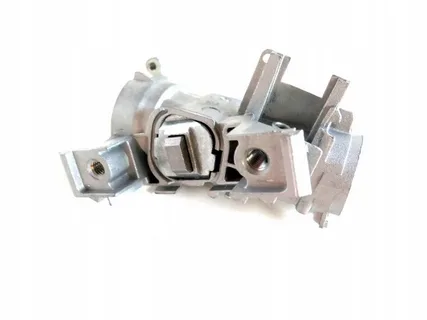
One-stop service for metal die casting parts
Your one-stop destination for precision metal die casting parts, ensuring quality from start to finish.

Patented mold design
21 Years of Industry Expertise Patented Innovations in Mold Design

ISO-Certified Facility
Recipient of ISO 9001 International Quality Management System Certification

Post-processing of Products
From Mold Design to Product Surface Treatment: One-Stop Production Manufacturer

Honored Customer Testimonials
Testimonials from Over 100 Niche Industry Clients, Experience with Over 1,000 Customized Products

Quality & Delivery Guaranteed
Monthly Production of 2 Million Pieces, Quality and Quantity Assured Without Delays
Custom Die-Casting Cases
Here is the typical working order to expect when you hire us for our die casting services:
Automotive Industry
1. Engine components (e.g., cylinder heads, pistons)
2. Transmission parts Structural components (e.g., chassis parts)
3. Wheel spacers Automotive housings (e.g., for alternators, starters)
4. Heat sinks for LED headlights
Consumer Electronics
1. Enclosures for smartphones and laptops
2. Frames for tablets and other devices
3. Heat sinks for electronic components
4. Connectors and interface ports
Industrial Machinery
1. Gear housings
2. Pump parts and housings
3. Valve bodies
Medical Equipment
1. Surgical instrument components
2. Enclosures for imaging devices (e.g., X-ray, MRI machines)
3. Dental equipment parts
Aerospace
1. Aircraft seat frames
2. Engine components
3. Instrument housings
4. Communication device casings
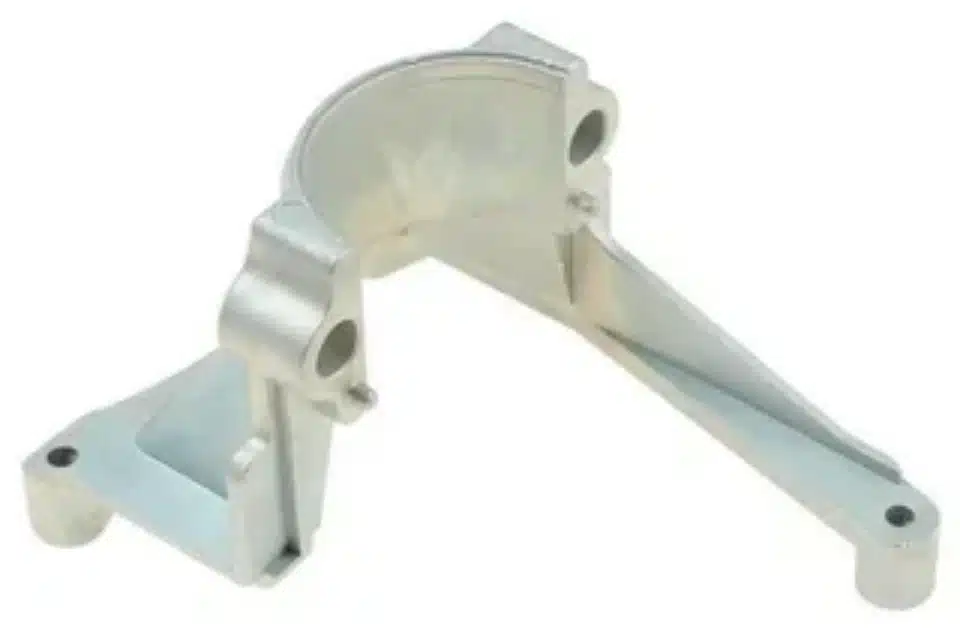
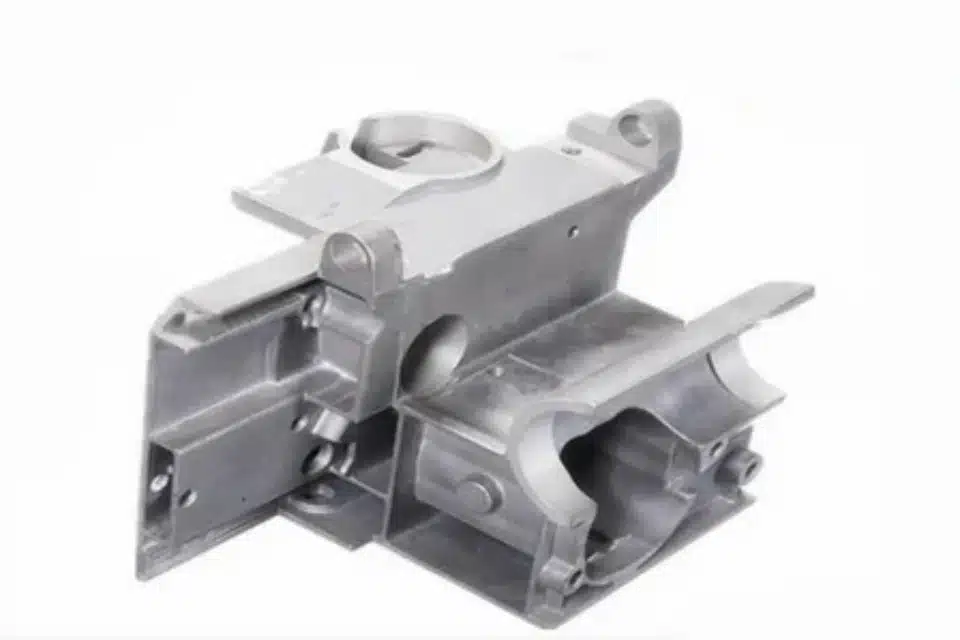
When choosing a die casting supplier, six major issues can be quite troublesome
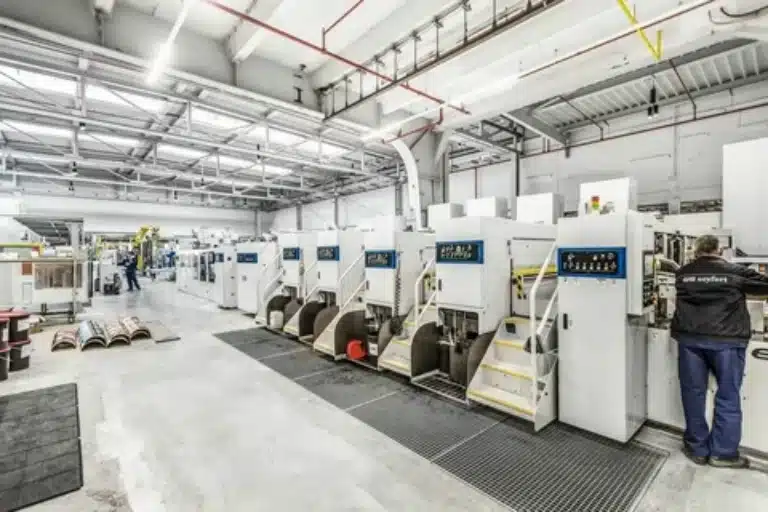
Not sure about the capabilities?
If the capabilities are too limited, it will inevitably affect the collaboration ability during the die casting service process.
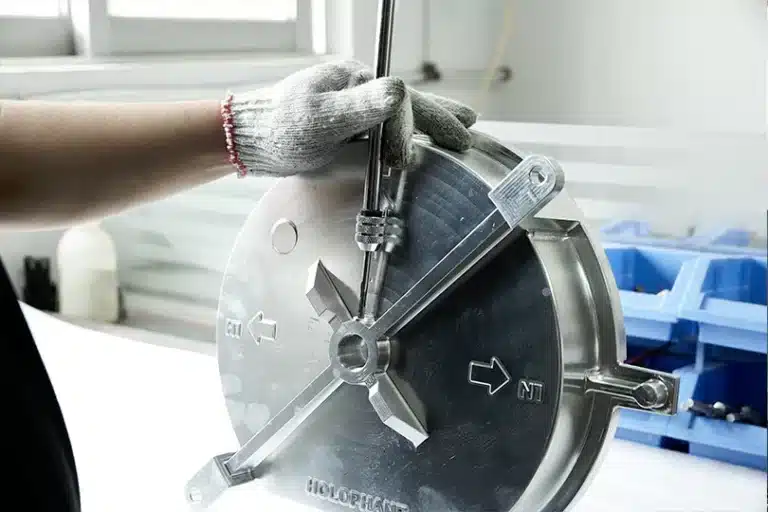
Uncertain about the quality control?
If quality control is subpar, it will inevitably affect the quality of the die casting products.
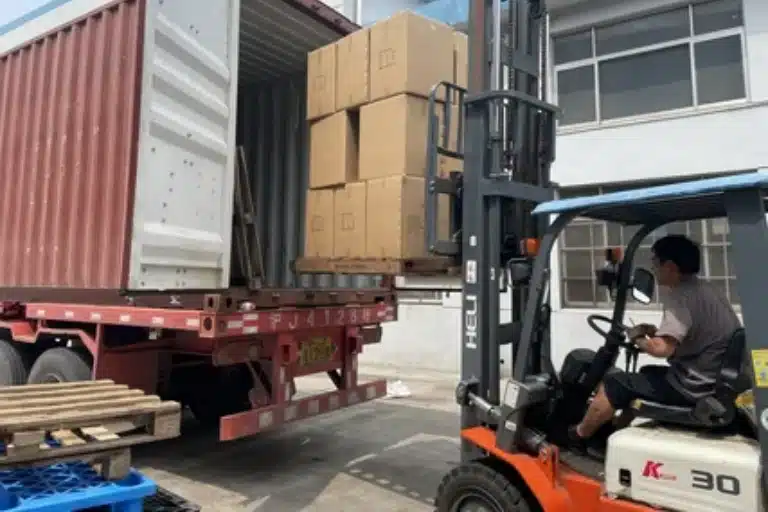
Unsure if the delivery will be on time?
If the production is delayed, timely delivery cannot be guaranteed.
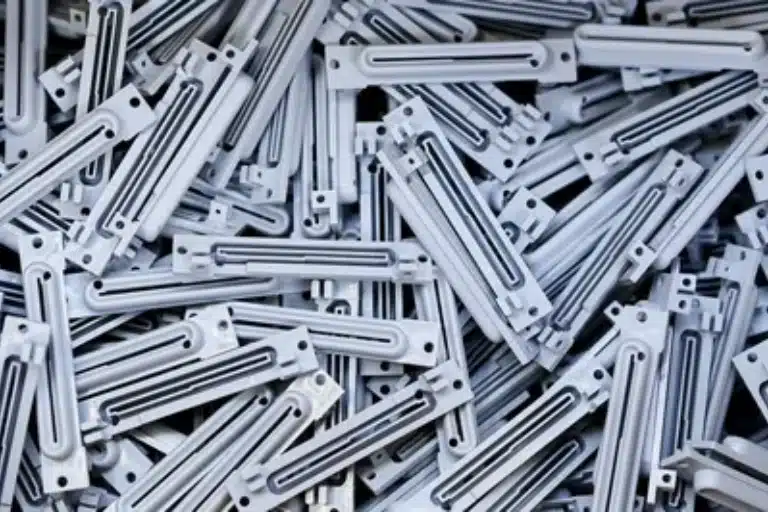
Unsure about mass production capabilities?
If mass production capabilities are insufficient, it will inevitably affect the supply schedule.

Unfamiliar with the reasonableness of the price?
If the price is too high, it will inevitably lead to higher component costs.

Uncertain about the service attitude?
If the service is poor, post-sales issues are hard to resolve.
Advantages of Gdzycnc's Die Casting Services
By understanding the six major advantages of the renowned die casting supplier, gdzycnc, you’ll find that all the six concerns mentioned above can be completely addressed.
01
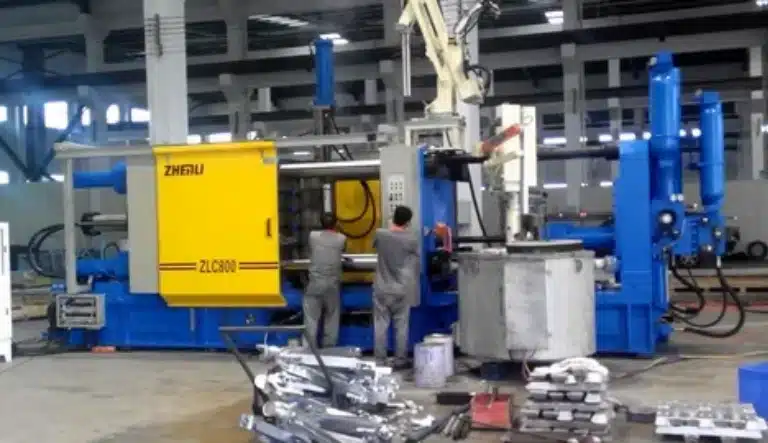
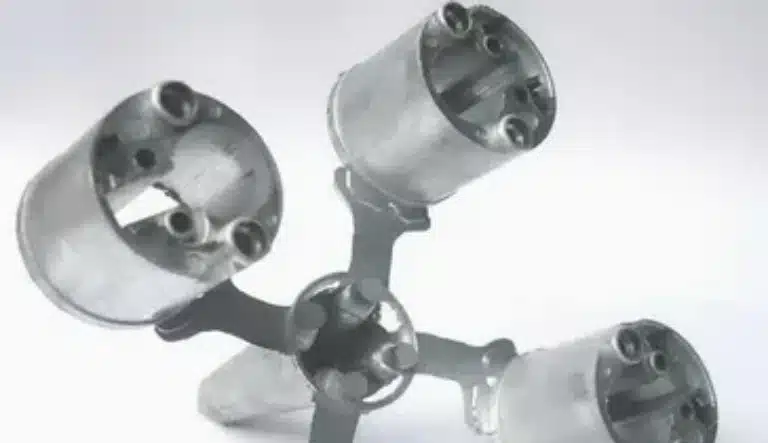
Advanced die casting equipment
Our advanced die casting equipment ensures precision and efficiency, utilizing the latest technology for consistent high-quality results across all projects.
02
Expertise & Experience
With decades of experience in the die-casting industry, our seasoned team brings together deep technical expertise and extensive hands-on knowledge. We understand the intricacies of the process and ensure every project meets the highest quality standards. Clients can trust our industry veterans to deliver expert guidance and consistently reliable results.
03
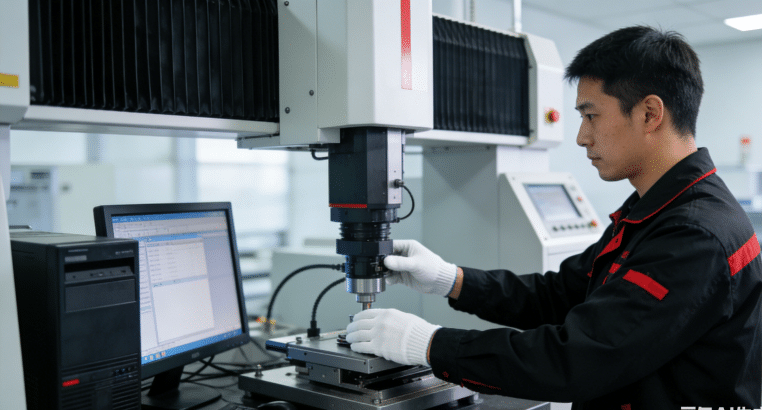
Quality Assurance
Our unwavering commitment to quality is reflected in every product we deliver. Each component undergoes rigorous quality inspections to ensure compliance with the highest industry standards. From die-casting material selection through final inspection, our dedication to quality guarantees exceptional performance in every die-cast part.
04
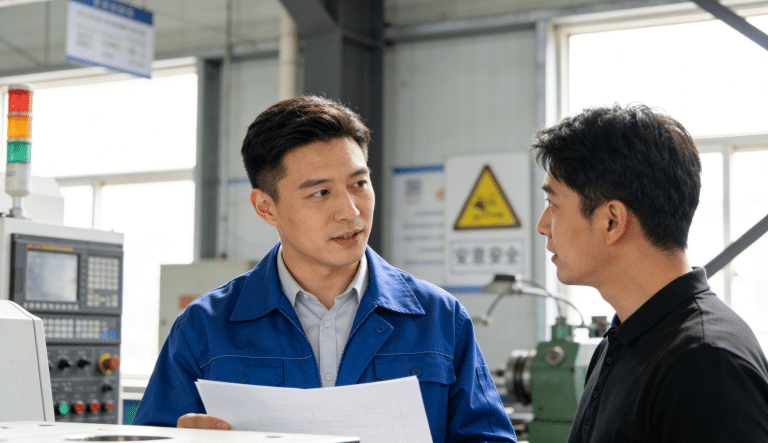
Client-Centric Approach
At the core of our die casting services is a client-first approach. We tailor our processes to meet each client’s specific requirements, ensuring clear communication and results that align closely with their vision.
05
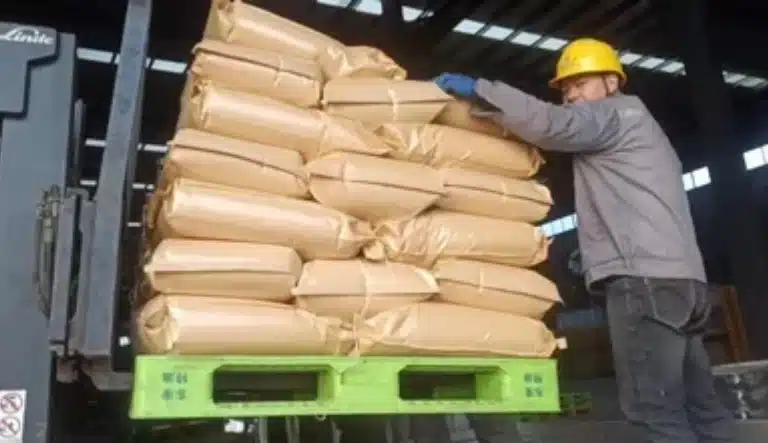
Reliable Delivery
In our die casting services, precision goes hand in hand with punctuality. We are committed to delivering high-quality products efficiently, ensuring every order reaches our clients on time, without exception.
06
Competitive Pricing
Delivering top-tier die casting quality without the premium price, our optimized processes provide exceptional value by combining high performance with cost efficiency.

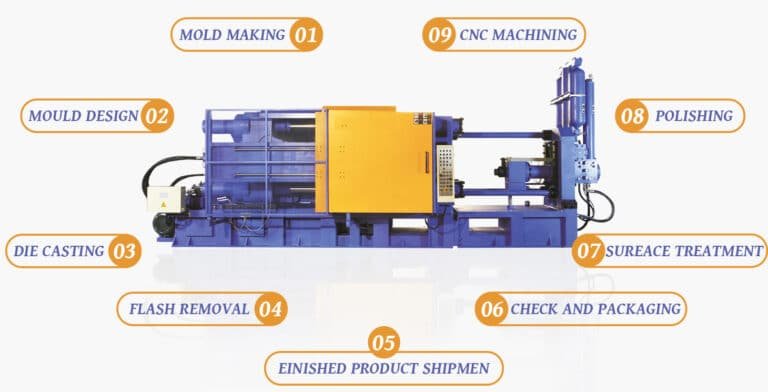
Custom Processing Workflow For Metal Alloy Die Casting Products
Experience a seamless and innovative die casting workflow designed to deliver exceptional precision and quality in every product.
Materials Used For Die Casting
Most die castings are produced using non-ferrous metals. The four most commonly used materials for die casting include:
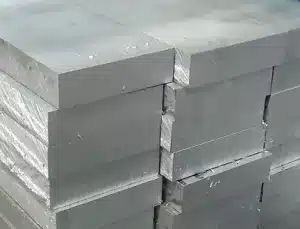
Aluminum Alloys
1. Lightweight & Strong: Aluminum die casting delivers robust components without added weight.
2. Corrosion Resistance: Aluminum die-cast parts naturally withstand corrosion, ensuring longevity.
3. Malleability: Aluminum’s adaptability allows for intricate die-cast designs.
4. Cost-Effective: Aluminum’s abundance makes die casting more affordable.
5. Thermal Conductivity: Aluminum die casting excels in heat dissipation, ideal for heat-sensitive components.
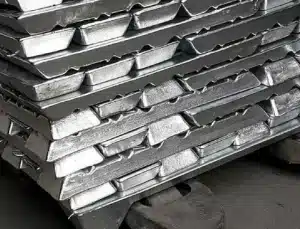
Zinc Alloys
1. Precision & Detail: Zinc alloy die casting allows for high-precision components with intricate details.
2. High Strength: Zinc die-cast parts offer exceptional durability and resistance to wear.
3. Ease of Casting: Zinc’s fluidity makes it ideal for die casting, ensuring smooth and defect-free components.
4. Extended Lifespan: Zinc alloy die-cast parts are resistant to environmental impacts, ensuring a longer product life.
5. Cost-Effective Finishing: Zinc die casting achieves a smooth finish, reducing post-processing costs.
Magnesium Alloys
1. Ultra-Lightweight: Magnesium alloy die casting produces the lightest metal components, ideal for weight-sensitive applications.
2. High Strength-to-Weight Ratio: Despite its lightness, magnesium die-cast parts maintain impressive strength, ensuring durability.
3. Excellent Damping Capacity: Magnesium alloys absorb vibrations, making die-cast parts ideal for noise and vibration reduction.
4. Rapid Production: Magnesium’s properties allow for faster die casting cycles, leading to quicker production times.
5. Eco-Friendly: Magnesium die casting is recyclable and requires less energy in production, supporting sustainable manufacturing.
Contact Us
Ready for Flawless Die Casting?
Take the next step with us and ensure precision and quality for your project. Request a quote today to get started.
Prototyping
Mass Production
Custom Die Casting
Post-Casting Services
Die Casting FAQs
Unlock the complexities of die casting with this essential guide, designed to help you understand the processes, intricacies, and advantages of precision metal casting.
Precision die casting is a specialized method where molten metal, under high pressure, is injected into steel molds or dies. This technique ensures that each cast component has intricate details, uniformity, and a high degree of dimensional accuracy, making it a preferred choice for industries requiring precision components.
Modern die casting machines are equipped with advanced technology and automation features. They maintain consistent pressure and temperature, ensuring that each molten metal injection results in uniform and high-quality cast components. This consistency is vital for industries that prioritize component reliability.
While both are casting methods, aluminum die casting uses high-pressure techniques to produce parts with intricate designs and tight tolerances. In contrast, sand casting involves pouring molten metal into sand molds, which is more suited for larger parts but might lack the precision and finish of die-cast components.
Die casting, especially when using robust metals like zinc, magnesium, or aluminum, results in parts that are significantly stronger, more heat-resistant, and durable compared to plastic molded components. This durability is essential for components used in high-stress environments.
Aluminum alloy is a versatile material that blends lightweight properties with strength. Its natural resistance to corrosion, excellent thermal conductivity, and adaptability make it a top choice for various die casting applications, from automotive parts to electronic housings.
While die casting excels in producing detailed and uniform metal parts, it might have higher initial setup costs for molds and might not be as cost-effective for very small production runs. However, for medium to large batches, it offers unparalleled speed and precision.
Each alloy brings unique properties. For instance, zinc offers excellent strength and a smooth finish, while magnesium, being the lightest metal, is perfect for applications where weight is a concern. The choice of alloy can significantly influence the final component’s durability, appearance, and functionality.
The versatility of die casting means it’s favored across various sectors. The automotive industry uses it for engine components, the electronics sector for casings and connectors, aerospace for lightweight yet strong parts, and home appliances for durable and aesthetic components.
A reputable die casting provider should have a track record of delivering high-quality components, utilize advanced machinery, have a robust quality control process, and offer design and post-processing services to ensure the final product meets your specifications.
Other popular materials include zinc, known for its smooth finish and durability; magnesium, prized for its lightweight properties; and copper-based alloys, which offer excellent electrical conductivity and resistance to corrosion.
Die casting stands out in the metalworking industry due to its ability to produce complex shapes with high levels of accuracy and repeatability. The process utilizes high-pressure techniques to force molten metal into steel molds, ensuring precision and consistency. This makes die casting ideal for mass production of intricate parts, offering advantages like rapid production rates, reduced post-casting machining, and superior surface finishes.
In the realm of die casting, each metal alloy brings unique properties. Aluminum alloys are favored for their lightweight nature and corrosion resistance, making them suitable for automotive and aerospace applications. Zinc alloys, known for their ability to capture intricate details, are often used in precision components like gears or locks. Magnesium alloys, being the lightest among common die casting metals, offer excellent strength-to-weight ratios, making them sought after in electronic and automotive industries for weight reduction purposes.