
Appearance in lighting fixtures and home appliances is not merely cosmetic but a fundamental working necessity being directly related to the impression of the quality of products, brand placement and customer dissatisfaction. Parts that are visible to customers and thus containing ornamented zinc die casting require a much tighter specification of the surface finish, the uniformity of the texture and the absence of defects than the specifications on the structural parts that remain hidden. An adequate number of OEMs continue to undermine this fact and dismiss these components just as components with an add-on value instead of one of the most challenging components of the production chain. Practically, it means that high-end appearance has to be regularly maintained, through rigorous choice of materials, stability of processes, and integration of design, alloy, and finishing in design.
A capable zinc die casting manufacturer having their own tooling, automated polishing, and a well established experience with plating becomes a critical requirement in the creation of that consistency between batches and particularly where the parts are going to be chrome plated or powder coated or go through any other ornamental process.
Why Zinc Die Casting Is Ideal for Decorative Components
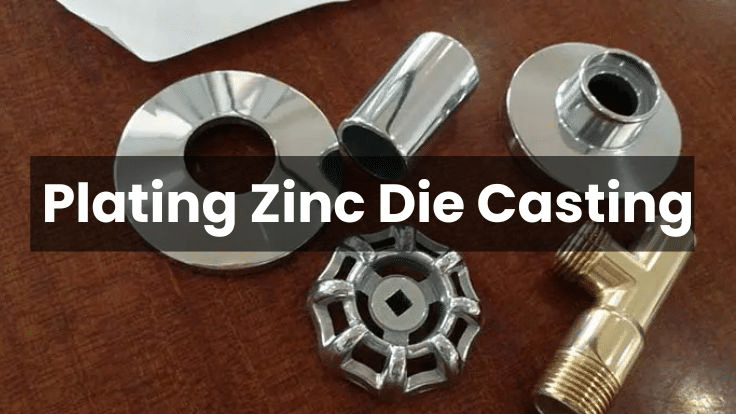
Zinc die casting is distinguished in terms of decorative uses in lighting and home appliances due to the fact that it provides superior detail reproduction and surface-ready immediately out of the cast.
The process is fine texture, crisp edges, and pattern-intensive insinuation capturing and is exceptional in depicting high-quality looking lamp bases, appliances, ornamental edges, and touchy parts. The low melting point and high fluidity of zinc make thin walls and complex shapes possible without loss of sharpness of detail. Above all, the as-cast is inherently even and thick, which creates an ideal foundation on which electroplating, painting, or powder coating, such finishes, should appear to have been flawless on direct or close examination should they not.
| Decorative Requirement | Why It Matters | Zinc Die Casting Advantage |
| Fine feature replication | Captures logos, textures, filigree, or ornate details | Superior fluidity fills thin sections and intricate cavities completely |
| Sharp edge definition | Prevents rounded or blurred lines that cheapen appearance | High pressure and fast cooling preserve crisp edges and undercuts |
| Compatibility with decorative finishes | Ensures plating adhesion, color uniformity, and corrosion resistance | Smooth, dense skin minimizes porosity-related defects in plating |
| Thin-wall capability | Enables lightweight, elegant designs without bulk | Allows walls as thin as 0.8–1.0 mm while maintaining strength |
Typical Decorative Zinc Die Casting Parts in Lighting and Home Appliances
The decorative zinc components are used where the aesthetic factor has direct influence on the user experience or product differentiation in such industries.
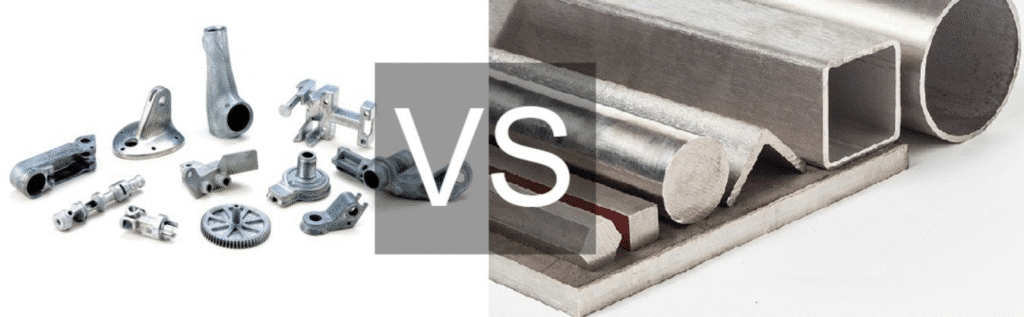
Typical instances are lamp housings that combine form and heat loss or decorative roots to chandeliers or table lamps, and trim rings that enclose places of light. In domestic appliances, tactile ridges on control knobs, ornate window frames (surrounding displays or a dial), graphic brackets to support glass doors on refrigerators or ovens, appliance pulls or handles in both grip and appearance will be visible.
| Part Type | Visual Role | Why Zinc Is Suitable |
| Lamp housings & bases | Primary aesthetic element; often plated or painted | Excellent detail capture for patterns; smooth surface for chrome/nickel finishes |
| Decorative covers & trims | Frames light sources or hides functional areas | Thin walls possible; sharp edges enhance premium look |
| Control knobs & levers | Frequent user interaction; must feel solid | Good tactile finish; compatible with textured or polished surfaces |
| Visible brackets & frames | Structural yet exposed; supports glass/acrylic | Balances strength with clean, defect-free appearance |
Material Selection for Decorative Zinc Die Casting Parts
In appearance-critical components, right zinc alloy focuses on quality on the surface and finishes reaction more than optimal mechanical strength.
The Zamak grades used in most decorative applications especially Zamak 3 and Zamak 5 are due to the fact that they provide the most optimum fluidity, dimensional stability, and as-cast smoothness. Zamak 3 offers the highest-castability and posses the best surface finish rendering it the choice of components that would go to bright chromical plating or mirror finish. Zamak 5 gives a criminally small amount of strength and hardness by use of copper which can serve in components with low load-bearing requirements, although it may need additional attention in polishing to eliminate small surface faults.
For a deeper look at trade-offs, see our detailed zamak 3 vs zamak 5 comparison for die casting and the broader zamak 2 zamak 3 zamak 5 zamak 7 comparison.
When High-Strength Zinc Alloys Are Used in Decorative Parts
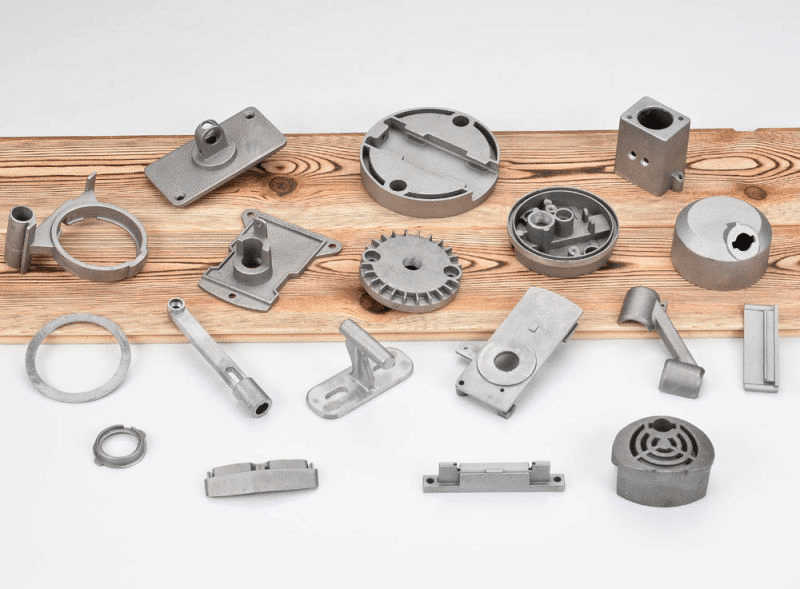
Zinc alloys cannot get even to high-strength until decorative parts have to withstand significant mechanical loads without marring a visual appearance.
This occurs in software such as heavy lamp arms, hinges in the doors of appliances that look like a decorative feature, and such brackets as bear weight and are left visible. The superior tensile strength and creep ability at a specific temperature of alloys including ZA-8 or EZAC have been observed to allow finer sections or greater distances. This is at the cost of somewhat lower fluidity and somewhat coarser as-cast finish, which may require more intensive pre-finishing (polishing or vibratory tumbling) prior to plating to the same mirror quality.
Among these choices, engineers must consider these choices closely: where high-strength alloys are required, there is a common tendency to use Zamak as they are standard and cheaper but end up adding complexity in the area of finish without a discernible enhancement.For guidance on these scenarios, refer to our article on high-strength zinc die casting materials.
Surface Quality and Finish Compatibility Considerations
The quality of surfaces begins in the die-casting process and is the direct determinant of whether a part is willing to get a high-end finish without flaws.
Decorative components usually demand a minimum as-cast smoothness of Ra 0.8 0m to reduce the time spent in polishing as well as plating problems such pitting, or blistering. Choice of alloy, the gating design and shot speed are all factors that affect porosity and flow lines- the primary perpetrators of uneven chrome or powder coat adhesion. The high stability in terms of die temperature control and the use of the vacuum where applicable maintains the subsurface level of entrapment of gases to avoid blisters after the process.
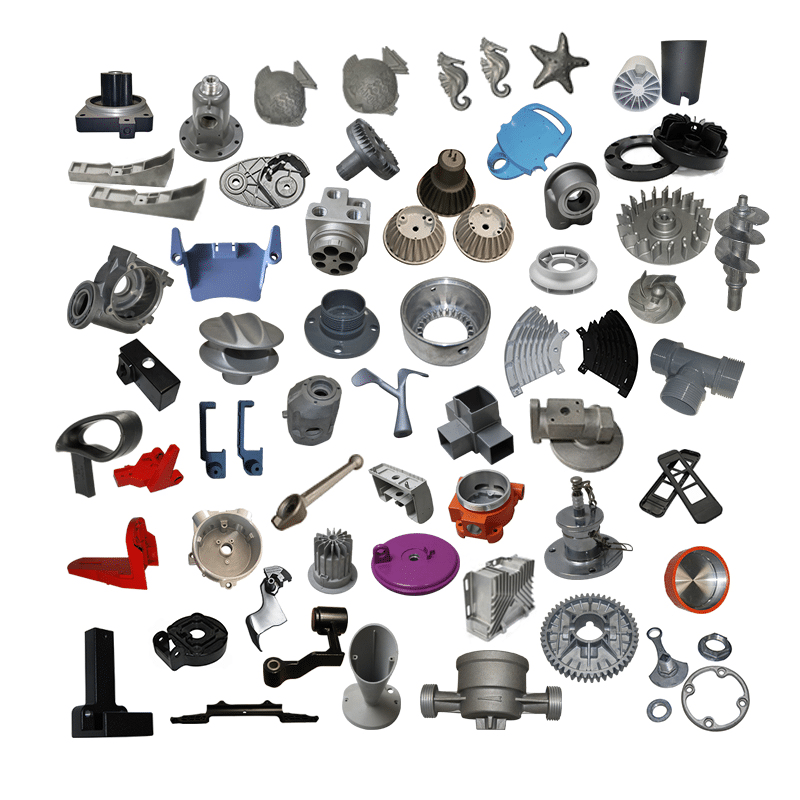
Components that are to be subsequently given bright finishes must also have a casting skin that is free of defects; even small cold shut or drag lines are exaggerated by reflective finishes.
Appearance Consistency in High-Volume Production
Having a consistent visual picture of thousands of parts is what separates the good suppliers and erratic ones.
Color match in plating Batch-to-batch: consistent alloy chemistry, uniform temperatures in the melt, no sink marks or flow lines Color match in powder coating: consistent alloy chemistry, consistent temperatures during the melt, no sink marks or flow lines No sink marks or flow lines: Each die is regularly maintained Alterations in die maintenance require consistent alloy chemistry, consistent temperatures in the melt, and consistent colors. Parting lines or ejector pins tooling wear can leave flash or witness marks to interfere with the clean appearance. The cause of the long run of preserving the surface integrity is achieved by having regular polishing of cavities and checking of release agents.
| Production Factor | Appearance Risk | Control Strategy |
| Alloy chemistry variation | Inconsistent plating brightness or adhesion | Incoming material certification and spectrometer checks |
| Die temperature fluctuations | Flow marks, sink marks, or porosity | Automated thermal regulation and monitoring |
| Tooling wear / parting line | Flash, witness lines, or mismatched textures | Preventive maintenance schedule and cavity polishing |
| Finishing process stability | Color shift or texture variation in batches | Standardized pre-treatment, plating thickness control |
Common OEM Mistakes in Decorative Zinc Die Casting Projects
Most of the failures surrounding appearances are related to decisions made in the beginning of the project.
The most common mistake is to choose an alloy and ignore how it is going to affect the surface finish; so you have parts that either need a lot of polishing, or will not plate on at all. Another is designing without completion compatibility: this design feature is susceptible to sink marks becoming visible upon coating that includes sharp internal corners or thick to thin transitions. Giving decorative decorative parts the same tolerance stack-ups and inspection criteria as concealed structural ones can easily lead to over- or under-specification forcing costs or quality escapes.
Early accessibility by manufacturing engineering (preferably at concept review) serves to tilt design intent and actual producibility.
Conclusion — Decorative Parts Require Manufacturing Discipline
In furniture and cosmetic use decorative products (lighting and home appliance products), decorative zinc die casting components are required to provide not only durability but also perfect ornamental results. Appearance is a technical requirement and it requires keen compliance of material properties, process consistency as well as finishing procedures. Making it right is about ensuring that these elements are as engineering intensive as it is any other important functional element of the components since to the end user the face of the product may be the sole determinant of the quality of the entire product.