
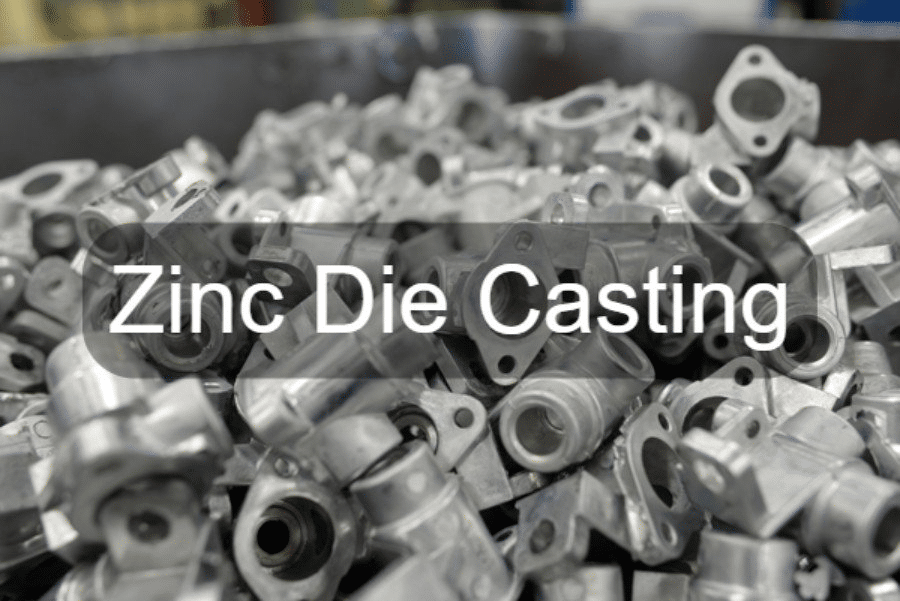
Zinc alloy die casting consists of a high-pressure production process in which molten zinc-based alloys are poured into an iron die to create intricate, precise, metal components and auxiliary operations are very limited. It is especially prized in such industries as automotive, electronics and hardware to make thin-walled components that have high quality of surface finish and dimensional stability. In its pure form, the procedure is based on a strict control of designs so that each cycle should produce the same outcomes- anything that does not match the schedule: changes in temperature, pressure, or time will give rise to flaws such as porosity or distortion.
The high precision and consistency of zinc alloy die casting is not a coincidental finding, but rather obtained by a strictly disciplined, repeatable process controlled by which the birth, the solidification, and the separation of molten metal into die take place. A large number of OEMs consider die casting to be a one-step process, whereas the truth of the matter is that precision is achieved using a series of closely monitored process steps. These steps can be understood to allow engineers to design components so they take advantage of the strong aspects of the process to prevent some of the pitfalls that can otherwise be caused by a belief in the uniform behavior of the material.
By working as a process engineer since I manage thousands of production cycles, I have found that the most important things are related to the interconnection between the different stages. An example is faulty alloy preparation may transfer to the filling, causing the integrity of the end part. That is why it is necessary to assess the process capability of a manufacturer prior to making a commitment to production- —explore our zinc alloy die casting capabilities to see how integrated controls translate to part quality.
Overview of the Zinc Alloy Die Casting Process
The zinc alloy die casting process commences with a melting of the alloy culminating in ejection of a solidated part all with a matter of seconds per cycle thus, it is ideal when huge numbers are to be produced. On the high level, it entails getting the molten metal ready, forcing under pressure over a die-cavity, and letting it harden and then take out and complete the piece. This is a quick process usually less than 30 seconds within which automation is involved to ensure repeatability.
Z zinc-based alloys, including Zamak 3 or Zamak 5, are particularly favorable to die casting since they have low melting points (420 -380 0 C ) and a high degree of fluidity and also low levels of shrinkage during solidification. The combineable features allow complex geometries and lightweight walls (down to 0.5 mm) without undue sharpening of tools, unlike the more elevated metals which need more robust dies.
| Process Stage | Primary Purpose | Precision Impact |
| Melting and Alloy Preparation | Attain homogeneous molten metal make-up. | Helps to keep material properties constant, and minimize variability of strength and sizes. |
| Injection and Cavity Filling | Fill cavity and die as fast as possible. | Duplicates fineness, reduces traps of air in porosity-free elements. |
| Solidification and Dimensional Formation | Part shape by means of controlled cooling. | Shrinkage of controls is made to hold tolerances within an action of -0.05 mm. |
| Ejection, Trimming, and Initial Inspection | Take off and inspect defects. | Detects errors in time, keeps the dimensions intact before subsequent processing. |
| Post-Processing, Assembly, and Packaging | polish surface and glue using the necessary materials. | Insures accuracy characteristics against destruction in handling. |
Melting and Alloy Preparation
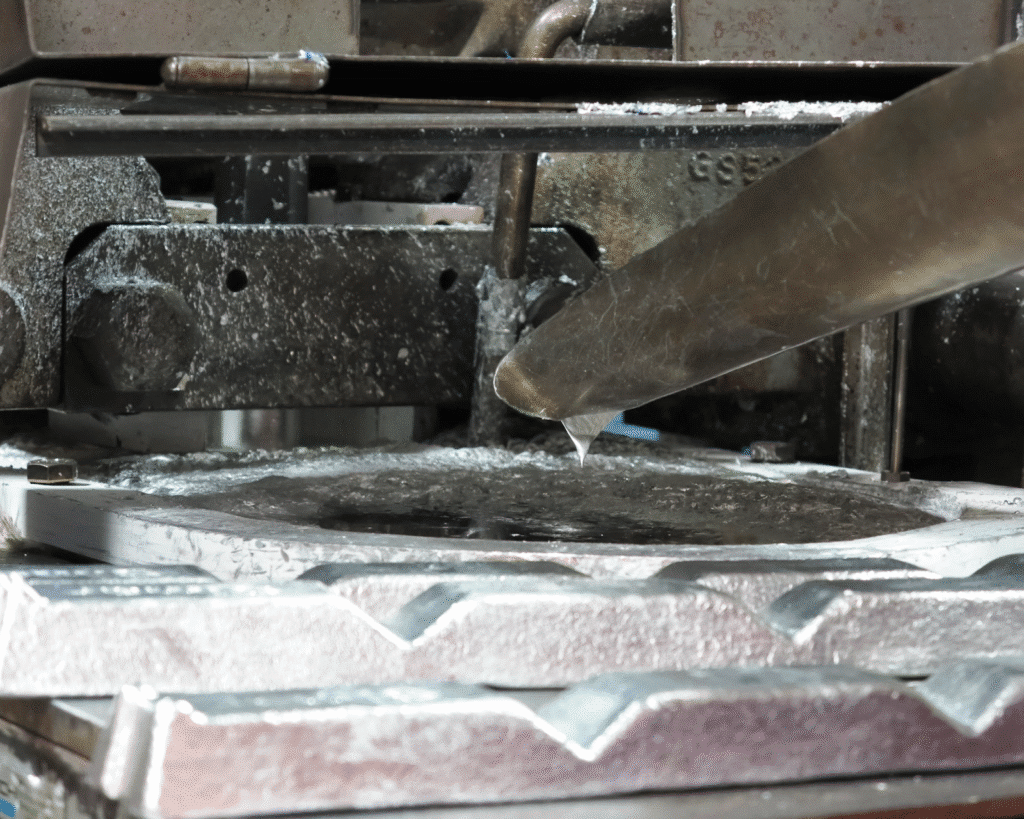
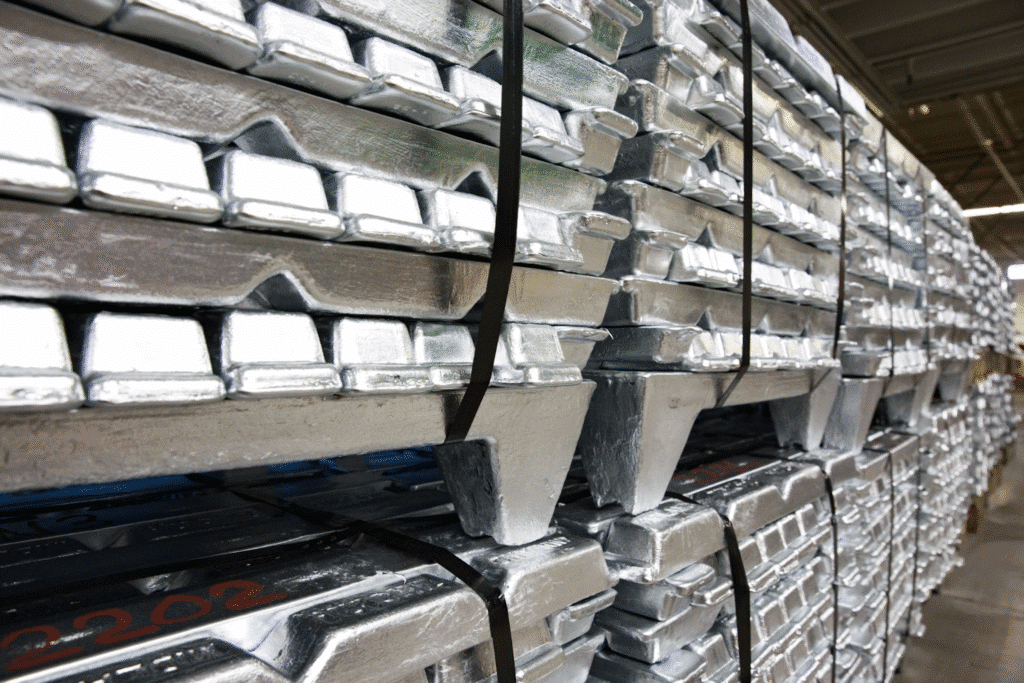
Accuracies in melting and alloy preparation forms the background to the formation of defect free zinc die casting since even slight impurities may change flow and hardening. The procedure begins with placing the zinc ingots or scrap into a furnace, then heated under specific conditions to ensure that the ingots or scrap do not oxidize or get contaminated, on the other hand.
Care at the temperature and duration is very important, keeping the melt between 400 and 430 C acts as a necessary step to guarantee the maximum of its fluidity with keeping the zinc, aluminum, or copper components in the alloy. The variations in this case may result in discrepancy in viscosity resulting in unfinished fills down the line. The pickup of iron or incorrect ratios of alloys interferes with the eutectic material, raising the risk of brittle or porous. Practically, we check the compositions of each iteration with spectrometers, avoiding problems further down the line that may result in the loss of a whole batch.
Key Factors in Alloy Preparation
- Purity Checks: Intensive checks through regular sampling of impurities such as lead or tin which reduce corrosion resistance.
- Holding Time Management: Incident holding encourages the formation of dross, and hence agitation and skimming become the order of the day.
Injection and Cavity Filling
High-speed injection: the geometry of the die is reproduced accurately and specific pressure and timing are required to eliminate the possibility of turbulence or incomplete die-fill. After being molten, the alloy is pressed into the die cavity up to speeds of 60 m/s by a plunger which completely fills even intricate shapes in a few milliseconds.
The alloy low viscosity controls the flow behavior by being able to design and follow thin parts and undercuts without hardening beforehand. Post-filling pressure (usually 500-1,000 bar) aims at consolidating the metal, defeating the shrinkage voids. It is also important with timing, too slowly, the metal will not cool evenly and too quickly the air will be trapped between the blisters.
| Injection Parameter | Function | Effect on Part Quality |
| Injection Speed | Controls fill rate | Ensures complete cavity replication; prevents cold shuts in thin walls |
| Intensification Pressure | Compacts metal post-fill | Reduces porosity and improves density for stronger parts |
| Gate Design and Timing | Directs flow paths | Minimizes flash and turbulence, enhancing surface smoothness |
Common Challenges in Filling
- Venting Optimization: Proper vents allow the air to escape, whereas poorly ascertained compared to poor design traps gases.
- Die Temperature Balance: When it is heated, it should attain a temperature of 150 to 200 o C to ensure freezing without causing localized freezing.
Solidification and Dimensional Formation
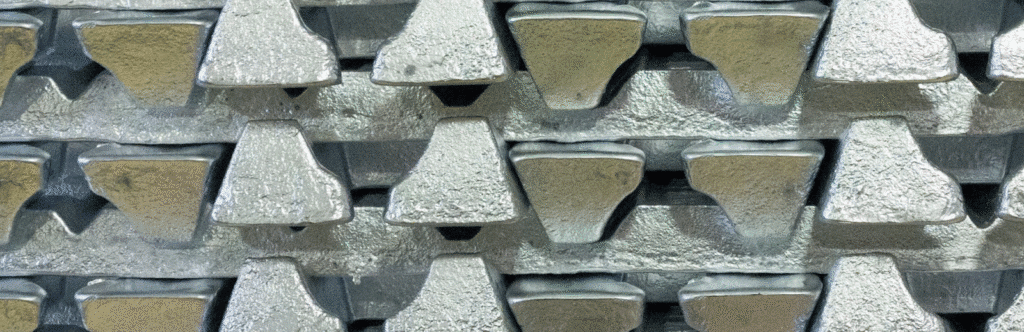
The small freezing ranges and low thermal contraction of the alloy result in rapid solidification, which fixes zinc die casting dimensions without a lot of distortion. Once injected, the metal chills rapidly against the die being cooled by water, and it will solidify of a die of outer surfaces inwards in less than 10 seconds.
With design characteristics such as risers and constant wall thickness, the control of shrinkage is applied to offset the 0.5-1% volumetric contracting. The concept of dimensional repeatability is due to similar cooling rates- change can lead to warping or stresses. Other mechanisms such as eutectic solidification guarantee fine grain structure which enhances mechanical properties without heat treatment.
Mechanisms for Repeatability
- Influence of the Cooling Rate: The higher the rate of cooling, the finer the microstructures and the better tensile strength of up to 300-400 Mpa.
- Die Material Selection: High grade steel dies are more tough to thermal fatigue and have cavity integrity per cycle.
Ejection, Trimming, and Initial Inspection
Ejection systems ought to force out parts without imprecision features, and this is based on ejector pins that operate at a time at which the part has solidified. This process detaches the casting to the die, which can be done as a part of an automated mechanism to prevent scratches or bends.
Trimming gets rid of the unnecessary material such as gates and runners using hydraulic presses or a CNC tool that leaves behind clean edges. The first line of inspection involves examining visible flaws by sight or gauge like flash or cracking which identifies the problem before it spreads.
Inspection Protocols
- Dimensional Check: Rapid caliper checks.
- Surface: Retrieves porosity or inclusions that may lead to compromised functionality.
Post-Processing, Assembly, and Packaging
Die castings are frequently subject to secondary operations in order to obtain final specifications since crude castings might have to be machined to obtain tight tolerances or covered to some corrosive environments. These iterations narrow without diminishing the high accuracy which has been previously obtained.
The assembly and packaging of components assembly and packaging for zinc die casting components involves custom fixtures to prevent damage, ensuring parts arrive ready for integration.
Typical Post-Processes
- Deburring and Polishing: Removes small defects due to aesthetic and functional requirements.
- Coating Disapplications: The coating can be done with carbonating in case of the extreme environments.
Zinc Die Casting vs Other Manufacturing Processes
Zinc die casting exhibits high precision volumes relative to others, it has faster cycles and lower tooling costs than aluminum die casting, although it has lower heat resistance. To elaborate further see the zinc die casting and aluminum die casting.
Compared to machining or MIM, zinc die casting is better in net-shape manufacturing, which minimizes customer waste and lowers follow-up operations, yet it is not as applicable to ultra-high-strength requirements. see zinc die casting vs aluminum die casting.
Versus machining or MIM, zinc die casting excels in net-shape production, reducing material waste and secondary steps, but may not suit ultra-high-strength needs. Explore zinc die casting vs machining or MIM for application-specific insights.
Comparison Metrics
- Cycle Time: Zinc die casting: 1030 seconds vs. Machining: minutes per part.
- Tolerance Capability: ±0.02 mm, which is die castable, which competes with MIM at higher volumes.
How Process Understanding Improves Part Design
Process-aware design is a direct way to improve the yield; it can predict the behavior of stages (such as filling and solidification) with respect to geometry to provide against thin sections that might experience incomplete fills. The errors that are likely to occur include disregarding the draft angles which cause ejection damages, or ineffective releasing.
Refer to design guidelines for zinc alloy die casting parts for optimizing features like ribs or bosses.
Design Optimization Tips
- Wall Thickness Uniformity: Excellent Preventing Unbalanced cooling and warping.
- Gate Placement: It determines flow paths that have an impact on reducing defects.
Conclusion — Precision Comes From Process Discipline
Real precision in the die casting of zinc occurs as a result of a disciplined management of all the steps in the process rather than the individual steps. When engineers understand these interrelations, they come up with wise choices, which limit risks in designing and manufacturing. Trust empirical experience, but not speculation to provide consistent and high-quality results in strenuous applications.