
When choosing zinc die cast alloys, the choice of alloy is not just a matter of material choice, but to a great extent it is likely to influence strength performance, results of surface finishes and the longevity of the tools. The selection of alloy and process parameters, to many OEM engineers are independent levers. Practically, the two cannot be considered apart: the alloy provides the guidelines of the melt fluidity, solidification tendencies, and die steel interaction which, in turn, determine whether the process is going to be forgiving or unforgiving.
Flow lines or cold shuts of the surface, or early wear of the die is often attributed to the injection speed, gate structure or temperatures used. But in the vast majority of instances which I have experienced during the years, it has been due to the mistake of incompatible alloy chemistry. A poor flowing alloy will complicate an optimized process, whereas an excessively aggressive one will hasten soldering or die erosion. By ensuring the alloy is correct at an early stage, it saves time in troubleshooting and ensures it is stable much better than making the alloy parameters change towards the end of the process.
For projects where these factors must align with production goals, partnering with experienced OEM zinc alloy die casting solutions engaging and utilizing the services of reputed OEM zinc alloy die casting solutions providers are useful in making sure that material choices are made in favor of the total capability and not in the constraints of production downstream.
Why Alloy Selection Influences the Entire Die Casting System
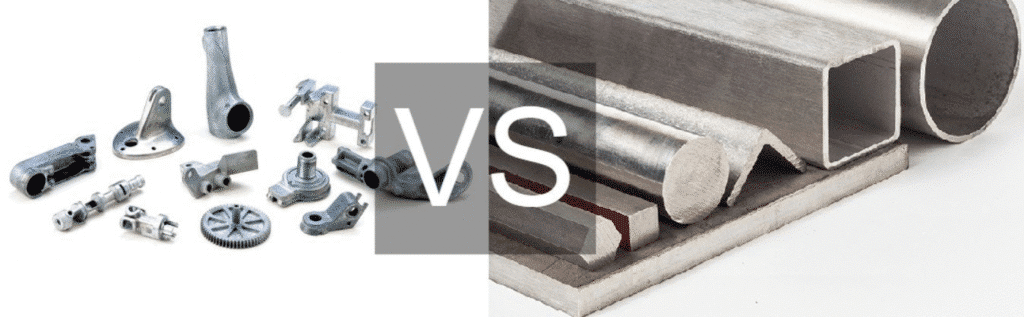
The choice of alloy determines the initial behavior of the molten metal throughout the die casting process – shot sleeve to cavity fill, solidification and ejection.
High-purity zinc, in the form of zinc alloy alloys, is significantly married to aluminum (usually 3.5 to 8% in traditional Zamak alloys, but as much as 27% in ZA series alloys), and controlled amounts of copper, magnesium and trace elements. Aluminum enhances strength and hardness, whereas copper enhances tensile strength and creep resistance, but may decrease ductility when added in excess; magnesium improves the grain structure and prevents intergranular corrosion although it has to remain low to prevent embrittlement.
These variations change the melt viscosity, freezing temperature, contraction and reactivity with H13 die steel in casting at 380 -420 C. With thin parts, a high-fluidity alloy (such as Zamak 7 or some HF alloys) can be used with less turbulence and pressurised, and it has a longer die life. More critical thermal management ZA alloys require more focus since they melt at higher temperatures and are more abrasive.
Concisely, the alloy selection will dictate the stability of the processes: it determines or dictates the requirements on injection pressure, the amount of variability in the cycle time, the vulnerability of the alloy to defects and the amount of aggressiveness of the melt toward the die.
| Alloy Factor | Affected Process Area | Practical Impact |
| Aluminum content | Fluidity & freezing range | Higher Al narrows freezing range → risk of incomplete fill in thin walls |
| Copper addition | Strength & creep resistance | Improves hardness but increases soldering tendency if uncontrolled |
| Magnesium level | Grain refinement & corrosion | Low Mg prevents embrittlement; excess causes hot cracking |
| Impurity control | Die reactivity & surface quality | High Pb/Bi/Sn promotes intergranular issues and accelerates die wear |
| Overall composition | Thermal & chemical interaction | Sets baseline for soldering, erosion, and thermal fatigue rates |
Alloy Selection and Mechanical Strength Development
Fundamentally, alloy composition dictates the as-cast mechanical properties of zinc die consumption, especially in tensile strength, yield strength and elongation.
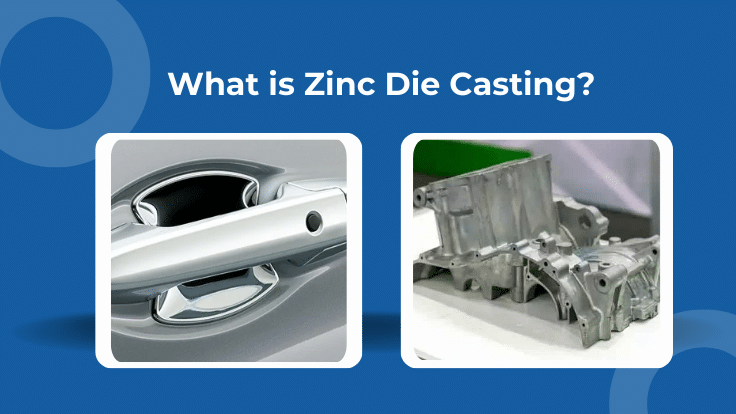
Traditional Zamak alloys (e.g. Zamak 3 /ZP3, Zamak 5 /ZP5) are based on 3.5-4.3% solid-solution strengthening of aluminum with additions of copper in Zamak 5 to achieve tensile strength of about 283MPa, to 328MPa. ZA alloys move this further: ZA-8 can go to approximately 374 MPa ultimate tensile, and ZA-27 can go above 400 MpA with higher degrees of aluminum forming harder phases.
Consistency – Due to consistent chemistry and cooling rates, the strength remains constant across different runs- fine microstructure is frozen, but drift of properties with time may occur within weeks due to changes in an alloy impurity or aging. Excessively specifying strength (e.g. demanding ZA-27 when a non-structural part is required) can easily waste the cost of materials and also make casting difficult with lower fluidity.
| Alloy Type | Strength Characteristics | Typical Application Focus |
| Zamak 3 | Balanced; ~283 MPa UTS, good ductility | General-purpose, plating-grade parts |
| Zamak 5 | Higher UTS (~328 MPa), better creep resistance | Structural brackets, hardware |
| Zamak 2 | Highest in Zamak family (~359 MPa), lower ductility | Wear-resistant gears, high-load components |
| ZA-8 | ~374 MPa UTS, excellent bearing properties | Precision parts needing strength + castability |
| ZA-27 | Highest strength (~410+ MPa), but reduced fluidity | High-load, lightweight structural elements |
Impact of Alloy Choice on Surface Finish Quality
In zinc die casting, the surface finish begins with the extent to which the alloy reproduces die details as it is being filled and solidified.
Alloys that are highly fluid (Zamak 3 or 7) can give smooth and high-definition surfaces with very few flow lines due to their ability to retain low viscosity levels longer and fill more structured geometries without turbulence. Higher-aluminum alloys are stronger, but have smaller freezing ranges, and may develop stronger flow or cold shuts unless melt temperature and gate velocity are strictly controlled-molten fronts are left to meet and harden before joining completely.
Cold shuts and roughness tend to follow alloy-specific flow behavior and are not merely the result of process settings: bad wettability or oxide generation tends to increase seams that cannot be completely covered by plating. To reduce these hypothetically dangerous base risks, an alloy with a high degree of fluidity should be used to begin with in the case of critical cosmetic or plated parts.
To do more about any post-casting operation that will improve the look, see our guide to surface finishing for zinc die casting parts.
Alloy Selection and Corrosion Resistance Behavior
Composition of alloy has a significant contribution towards the natural corrosion resistance, particularly the humid or slightly aggressive environment.
Zamak alloys use the natural oxide cover of zinc to protect them and magnesium is added to prevent intergranular attack. ZA alloys usually have a better performance under salt-spray or acidic environment as compared to Zamak since aluminum creates more stable passive layers- ZA-27 is specifically more resistant to corsiveness in the pH ranges of 4-7.
The compatibility of surface treatment is also important: Zamak 3 is an extremely good plate material, as a result of its homogenous microstructure, so higher-copper alloys may need modified pre-treatments to prevent blistering. It may depend on the selection of the right alloy together with the use of appropriate coating rather than just basing it on the resistance of the base material as the long-term-durability factor.
See more in our article on corrosion corrosion resistance of zinc die casting.
Tool Life — How Alloy Choice Affects Die Wear and Maintenance
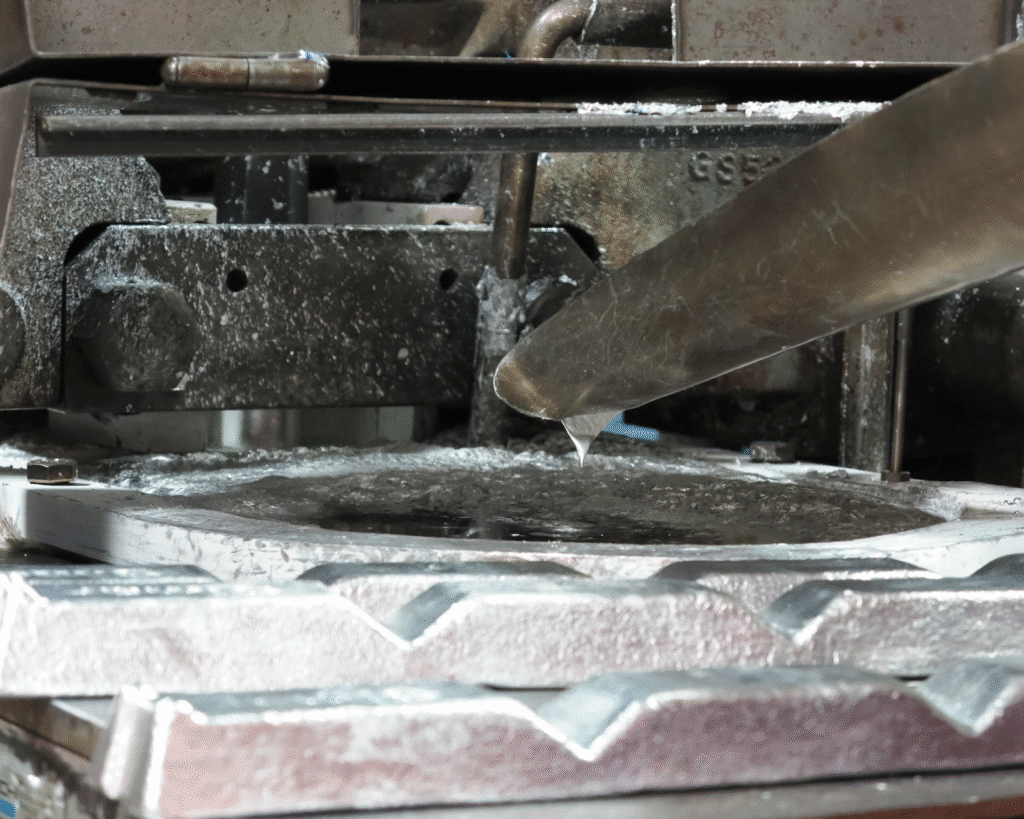
Zinc die casting is also remarkably sensitive to alloy choice with regard to tool life since, despite zinc having a low melting point (somewhere between 380 and 420 o C) the presence of chemical and mechanical attack on H13 die steel in millions of cycles remains possible.
Smaller quantities of aluminum Zamak alloys are less hard-working – little soldering and erosion, and dies are routinely over 1 million shots. The more aluminum ZA alloys rise, the more the wear is enhanced by hardness and abrasiveness, which shortens the time of thermal fatigue cracking at hot spots and erosion near gates. Additions of copper can facilitate soldering (orriment sticking), which causes polishing or shot-blasting to occur more often.
The frequency of maintenance increases with aggressive alloys: more frequent will be the downtime on the resurfacing or heat checking repair. When the volume of a run is large, it may be more economical to maintain a less reactive alloy than the small amount of extra cost of raw material.
| Alloy Characteristic | Effect on Tool Life | Risk Level |
| Low aluminum (Zamak 3/5) | Minimal erosion/soldering, gentle cycle | Low |
| Higher aluminum (ZA-8/27) | Increased abrasion, faster fatigue | Medium–High |
| Copper content | Promotes soldering if uncontrolled | Medium |
| Impurities (Pb, Sn) | Accelerates grain-boundary attack | High |
| Fluidity level | Lower pressure → reduced die stress | Lower risk with high fluidity |
Quality Inspection as Feedback for Alloy Selection Decisions
Inspection data often provides the clearest evidence of whether the alloy fits the application.
Dimensional variation, internal porosity, or surface defects revealed by in-house quality inspection for zinc die casting frequently point back to alloy solidification behavior rather than machine settings. X-ray inspection for zinc die casting uncovers shrinkage or cold shuts tied to freezing range, while CMM measurement in zinc die casting highlights warpage from uneven cooling influenced by composition.
The initial and frequent tests can transform these into implementable feedback: when process defects are concentrated in issues related to flows, it often turns out that re-examining the alloy fluidity will provide more solutions than additional process adjustments.
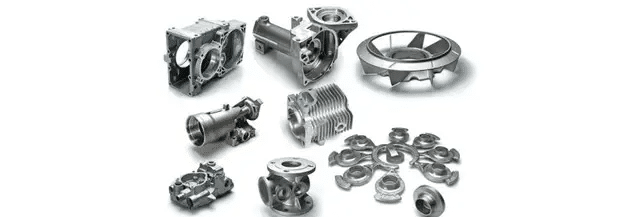
Common OEM Mistakes in Alloy Selection
Engineers have a tendency to fall back to the highest alloy without selecting any trade-offs.
- Focus on tensile strength makes no consideration of how higher-aluminum alloys decrease fluidity and increase surface defects in thin or geometries with features.
- The delay of surface finish requirements to prototyping typically requires expensive alloy adjustments as plating exposes flow lines or roughness.
- The use of die wear as an indication of tooling material or heat treatment ignores alloy-driven processes such as soldering or abrasion- most tooling issues disappear when a less active composition is used.
These failures increase the development period of time and overrun expenses that would otherwise have been circumvented through a prior material match-process.
Conclusion — Alloy Selection Is a System-Level Decision
The selection of alloy used in zinc die casting controls at the same time, mechanical strength, realistic tool life expectation and possible surface finish. Handling it as a single occurrence is dangerous of instability between production cycles, defect rate, and expedited tool cost.Engineering wise, alloy choice is most reliable with the integration of alloy selection and design intent, process capability and quality objective together. When done right it will give you repeatable components, repeatable prices and a smaller number of surprises as you go down the line-which is precisely what large volume OEM programs are looking at.