
Engineering developments are not unusual in OEM projects; they occur in automotive components, in medical equipment, as well as in electronic enclosures. They occur in the validation of the prototype, during production ramp up and even after the initial release when field data or regulatory changes are updated. The biggest mistake that many teams make is that, it is not the change that is really painful, but it is the time lag between noticing it. The associated delays can only run significantly higher than the change already- sometimes the impoverished inventory, or the delayed qualification run, or the missed launch window.
There is, however, a widespread myth: they believe that the reason why engineering change responses slowly is in design indecision or bad upstream planning. As a matter of fact, the bottleneck normally resides downstream- in disaggregated manufacturing execution. Feedback loop lengths lengthen, validations slow and implementation becomes a handoff process, when the design teams, the shop floor (or external supplier) is in another silo.
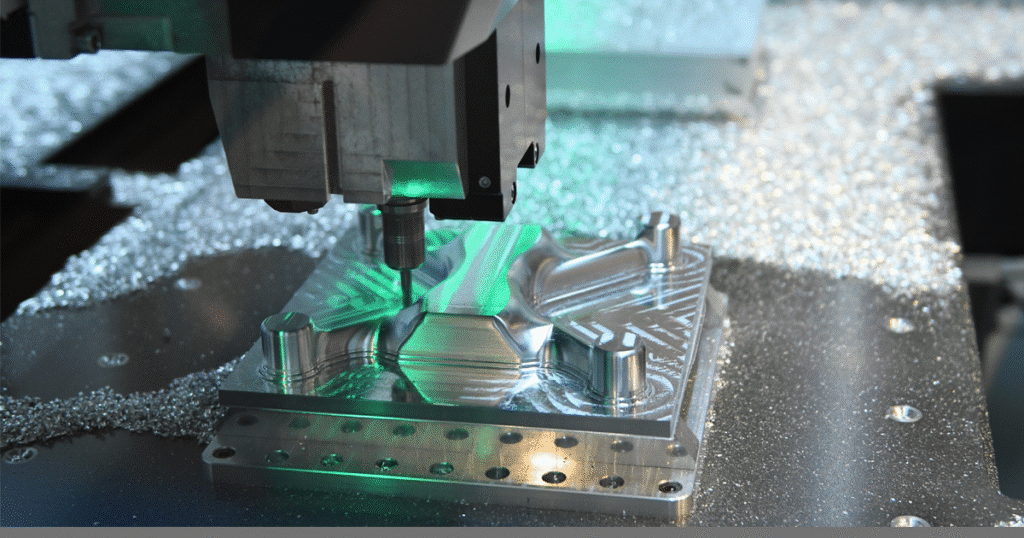
In-house CNC machining also makes engineering change response faster; the response involves the design decisions being incorporated into the manufacturing process. Such structural correspondence eliminates miscommunication and latency layers, and teams can facilitate an ECN initiation to confirm production within a period of days rather than according to weekends.
Why Engineering Change Response Time Matters in OEM Projects
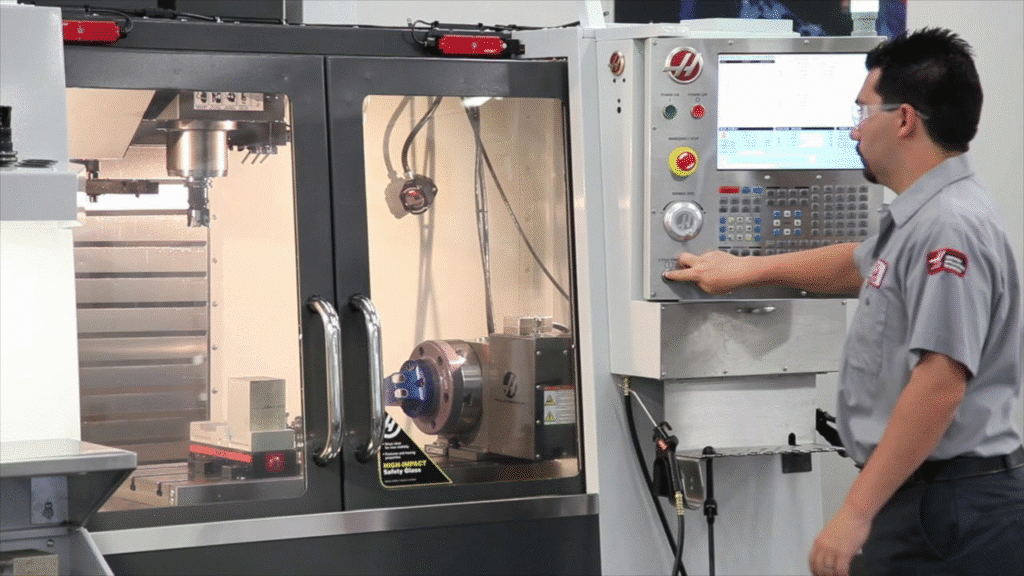
Project risk exposure is directly proportional to engineering change response time. The more time an ECN is remaining unresolved, the more it multiplies in terms of downstream consequences; tooling changes are postponed, raw material batches have their expiry dates, validation tests are run multiple times without justification.
Changes strike most during the new product introduction (NPI) phases and ramp-up phases. What may appear on the paper as an easy adaptation of a bracket geometry or tolerance may, in fact, need to be re-machined to fixtures or re-verified surface finishes, the ripple effect of which may take weeks to show up in the PPAP submission. Last-minute decisions cause cost inflation, too, often by factors of 510 times the cost of including changes early, as they are either made to face reworking into already-built inventory (to effectively equate it with rejecting changes) or cause the results of established process controls to be violated (to be fundamentally inconsistent with putting the effort into elaborating the process that it did).
Speedy response is not about haste, it is about cutting waste in time. When manufacturing can promptly verify machinability, surface quality and dimensional stability following a change, the whole program will remain on track. In the case of in-house CNC stamping managed teams dedicated to OEMs, this ability would form a fundamental point of distinction to control risks in the timeline and budget.
Many OEMs turn to custom CNC machining solutions precisely because responsive manufacturing reduces the hidden penalties of delayed changes.
Structural Differences Between In-House and Outsourced CNC Machining
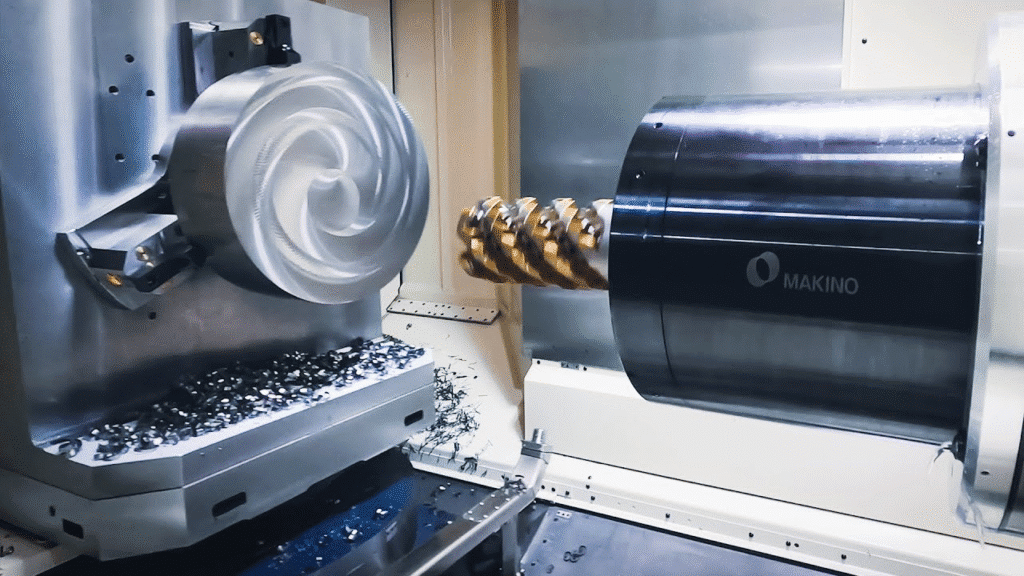
Machine speed is not the largest contributor to engineering change response time, it is structural. Outsourced CNC machining produces levels of delay, and in-house arrangements leave decision-making and implementation at the one location.
Within an outsourced system, a typical flow of an ECN would be as follows: the design engineer requests the work be done → internal analysis → PO modification to supplier → supplier engineering determines feasibility 0-> quotes any tooling modification 0-> production planning amends schedule 0-> first-article inspection 0-> feedback to OEM. Every handoff has review cycles, time zone issues and priority queuing at the supplier side. Even a change that occurs quickly may require 2-4 weeks.
Chain collapses when in-house CNC machining. The production team is the same team that can be used to test the change the same day: tool paths, fixturing effects, and material behavior can all be checked without outside approvals. Response to feedback is no longer a day.
Here’s a clear comparison:
| Manufacturing Structure | ECN Response Speed | Key Factors Influencing Speed |
| Fully outsourced CNC | Slow, multi-step | Multiple handoffs, external prioritization, communication latency |
| Hybrid sourcing | Moderate | Partial internal control but still supplier-dependent steps |
| In-house CNC machining | Fast, direct | Immediate access to machinists, programmers, and inspection; single-point decision authority |
The difference shows up most clearly in CNC engineering change management during ramp-up, where iterations happen frequently and delays cost real money.
How In-House CNC Supports Faster Validation of Design Changes
CNC machining in-house makes a bottleneck of validation a booster. When a design modification comes in, such as changing a wall thickness or a chamfer, the in-house team could have a quick prototype run or change an already existing pilot part during the same shift.
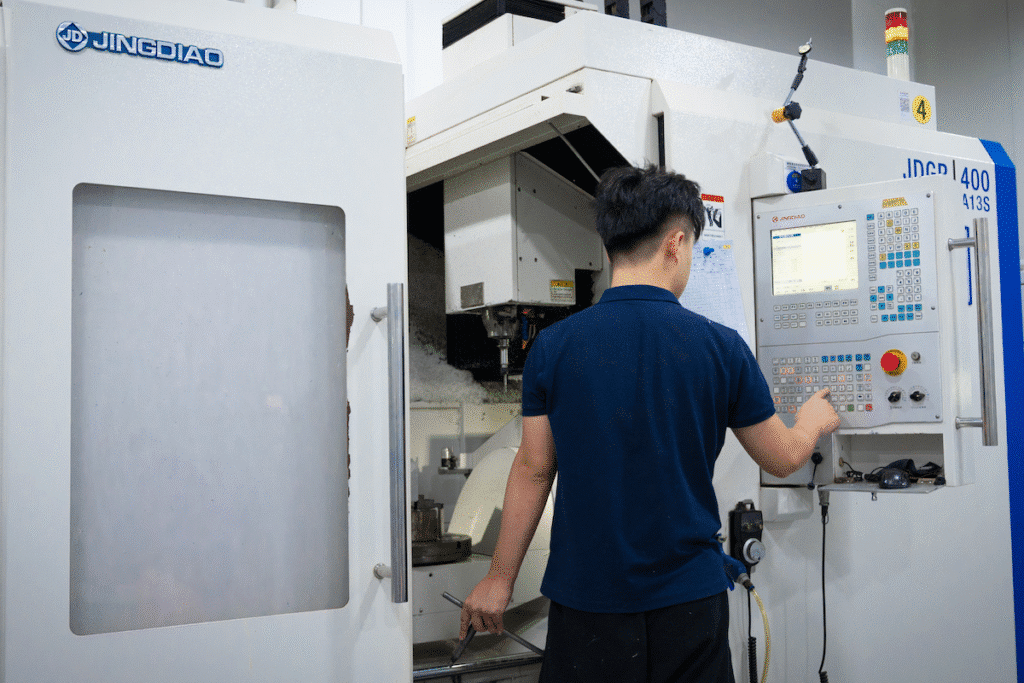
This quick turnaround allows the immediate answer to machinability questions: Does new geometry chatter? Will it demand changed feeds and speeds? Surface finish problems are manifested immediately rather than requiring a supplier sample. The iterative cycles become extremely short-periods of hours, sometimes days, since no shipping, no quoting delays, no waiting capacity.
For die-cast parts that need secondary machining, this is especially valuable. A small tweak to machining allowance design for die casting can be tested on actual castings in-house, confirming stock removal and final dimensions without external loops.
This is critical in large volume OEM, where a single increment in a reduction in variation in casting consistency can yield exceptions to quality, or cause a reduction on the yield.
Engineering Change Control and Production Consistency
The fact is that uncontrolled changes destabilize production much more than the majority of people think. Even an ad-hoc revision at the end of the day can add variability, a new arrangement, untested equipment or unrecorded changes that propagate across batches and degrade consistency.
Controlled transitions are facilitated by in-house CNC machining. Changes go through the same process as the engineers who are the owners of the SOPs hence bringing changes in the programs, fixtures, and inspection plans are done in a systematic manner. Production does not start all the way up; it develops tracing back.
This matters hugely in high-volume OEM work, where even small shifts in improving production consistency for die casting where a single increment in a reduction in variation in casting consistency can yield exceptions to quality, or cause a reduction on the yield.
Process Control as a Foundation for Fast Change Implementation
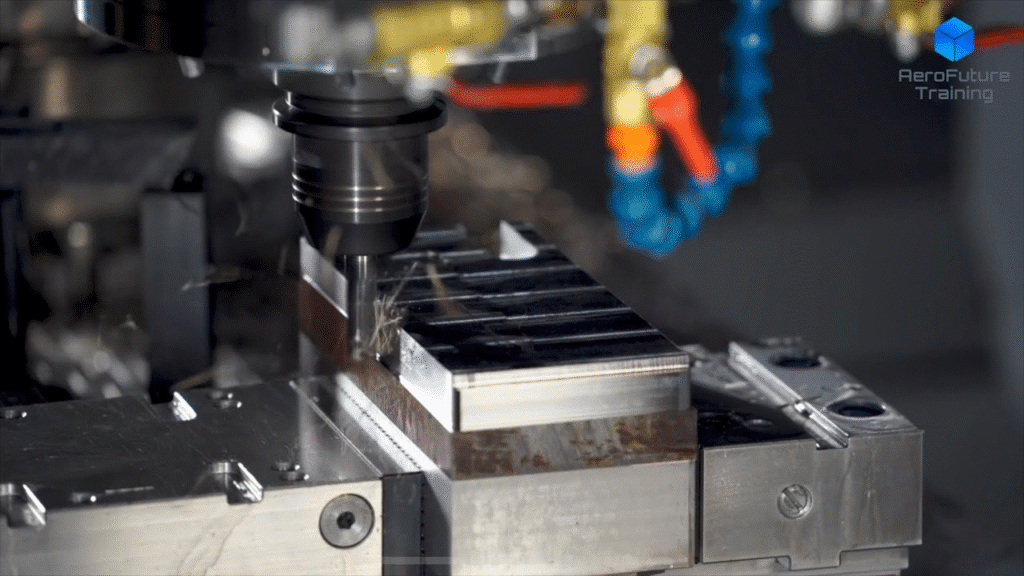
Fast CNC machining ECN response is based on documented and controlled processes. When all the tools, even the libraries, as well as in-process checks are standardized, a change can simply be applied as updating the parameters and not reinventing the wheel.
On-the-fly corrections in the execution of ECN is risky: there are no validated feeds/speeds, validations are not done, or they are poorly set up. In contrast, structured CNC process control for die casting lets teams simulate the change digitally first, then execute with confidence.
The result? Your implementation can take place at a faster rate at lower risk keeping the line flowing.
The Role of Standardization in Engineering Change Speed
Standardized procedures cut down requalification to bare minimum. When fixtures, probing routines and quality plans are based on repeatable templates, all elements are not affected by a change, as it only changes the affected elements.
In a controlled environment, process standardization in CNC for die casting means requalifying a single operation instead of revalidating the whole part. The change becomes gradual and low risk such that it can be rolled out at a quicker pace without compromising quality or compliance.
Common OEM Mistakes That Slow Engineering Change Response
When teams are not conscious of it, they tend to decelerate. The dependency on an outside supplier produces a latency intrinsically, the changes are placed in the queue with respect to the other jobs and the feedback is received slowly. The absence of clear documentation (imprecise ECNs, absence of tolerance callouts) would require clarification to go back and forth. Late manufacturing- Late manufacturing implies that changes strike the cold production without DFM input.
These are not blame issues, they are structure risks. Early knowing of them aids OEMs to come up with workflows that are speedy and controlled.
How OEMs Should Evaluate CNC Partners for Change Responsiveness
In choosing partners – to offload or specialized secondary business – pay attention to structural signs of responsiveness. Inquire on speed of feedback loop: How fast do they provide machinability feedback on change offered? Who has decision authority floor programmers or on desks way off in the engineering department?
Indicators of fast iteration: Are they keeping prototyping capability internal? Are they able to provide examples of the recently executed ECNs in less than a week? These indicators will tell either whether or not the partner is actually in position to facilitate rapid implementation of engineering change in dynamic OEM settings.
Conclusion — Engineering Change Speed Is a Manufacturing Capability
When dealing with OEM projects, engineering change response time is not defined by the rate at which the designs are updated, but instead by the degree of manufacturing execution-engineering intent integration. In-house CNC machining provides such integration at a structural level, dismantling communication obstacles, speeding up the validation process, and imposing disciplined implementation.
Finally, speedy engineering change implementation is not the extravagant, but rather the immediate result of the congrued design-manufacturing processes. Teams who develop (or collaborate to develop) such capability become actually leveraged in dealing with the unavoidable changes, which are involved with the delivery of complex products to the market.