

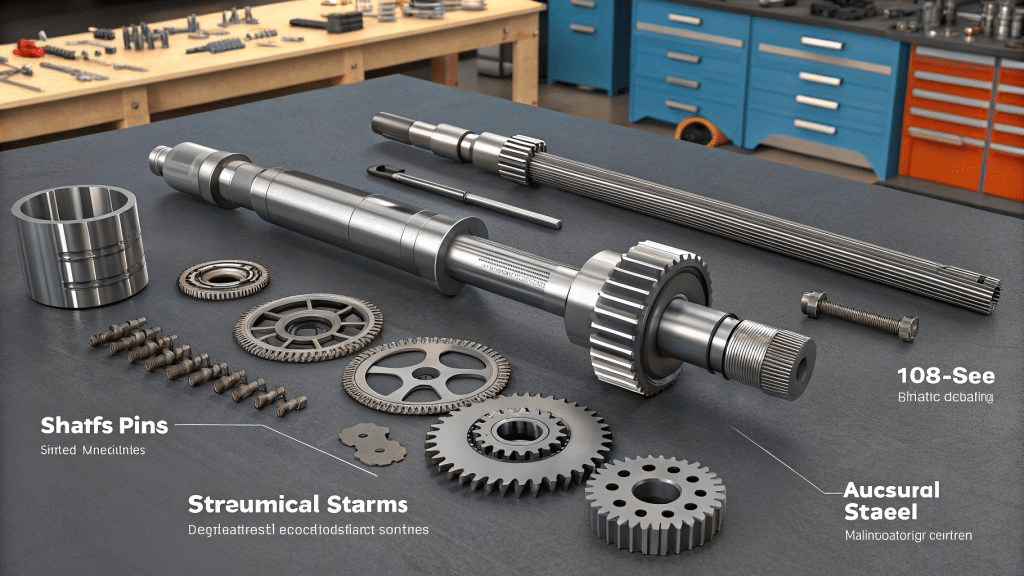
Machining Precision Requirements for Structural vs Decorative Components
Machining precision requirements vary significantly between structural and decorative components. This article explains how functional performance and visual acceptance demand different precision strategies, and why applying the wrong machining logic can increase cost, risk, and manufacturing instability in die casting projects.
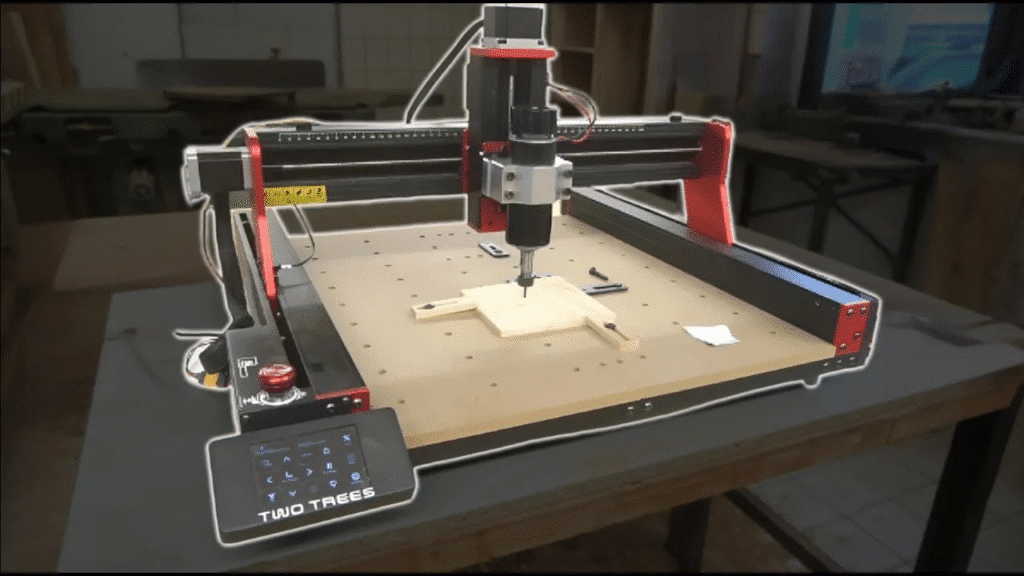
Why Cheap CNC Machining Often Leads to Higher Project Costs
Cheap CNC machining may reduce unit price, but it often increases total project cost. This article explains how low-cost machining shifts expenses to rework, scrap, delays, and coordination failures, and why OEMs should evaluate CNC partners based on system stability rather than price alone.
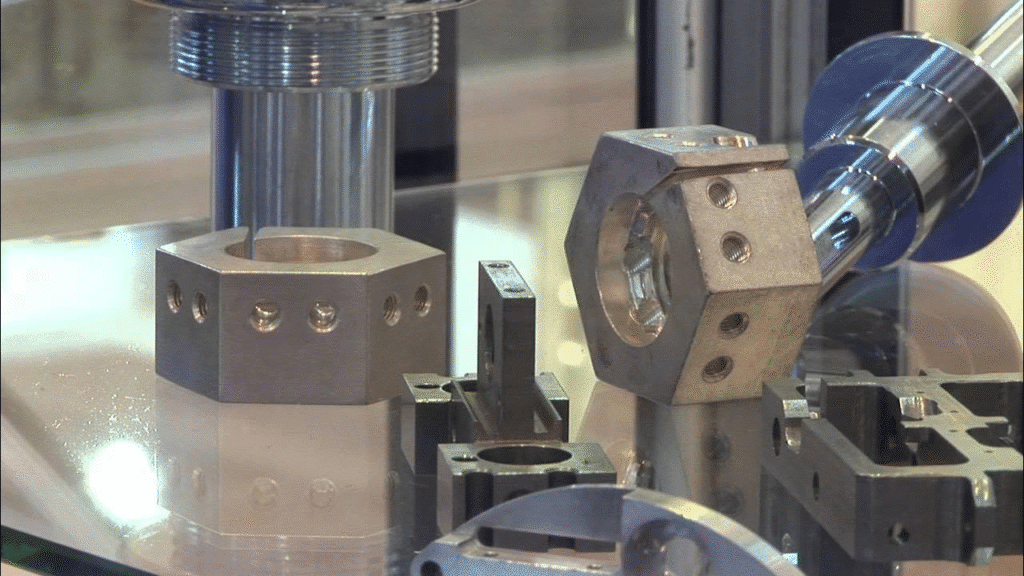
CNC Machining Challenges in Thin-Wall Die Cast Parts
Thin-wall die cast parts push CNC machining close to its practical limits. This article explains the key challenges involved, including deformation, vibration, tool wear, and cost escalation, and how OEMs should evaluate machining capability and risk when working with thin-wall die casting components.
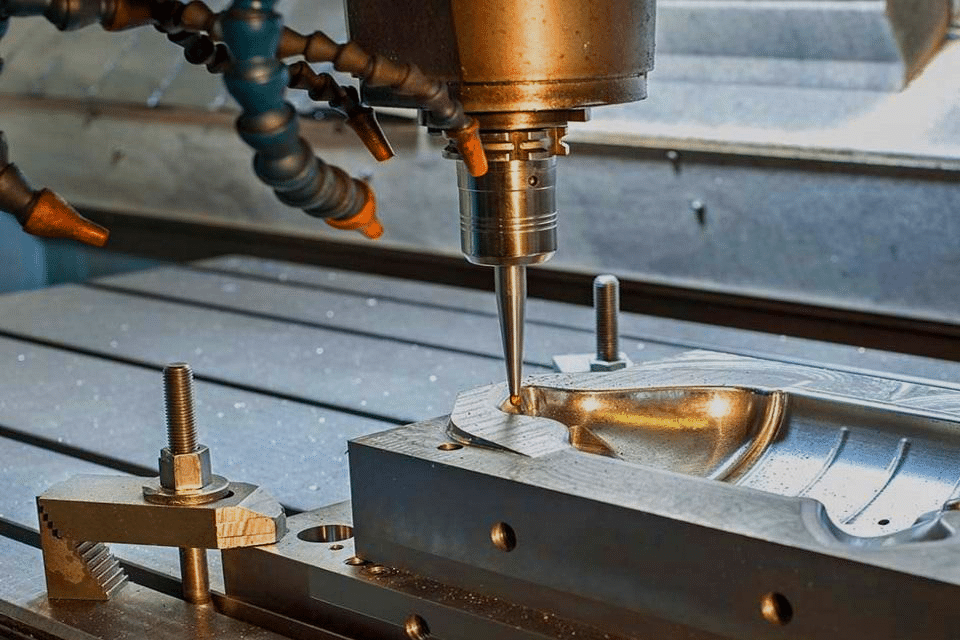
CNC Machining for Cosmetic and Decorative Die Cast Components
Cosmetic and decorative die cast components demand more from CNC machining than dimensional accuracy alone. This article explains how surface integrity, process stability, and machining strategy determine visual quality, and why appearance-critical parts amplify cost, sourcing, and risk considerations for OEM engineers and sourcing teams.
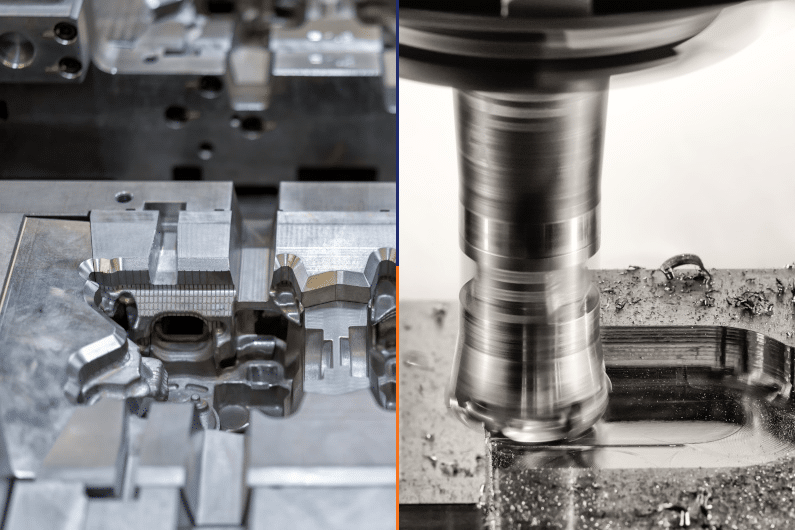
Make-or-Buy Decisions in CNC Machining for Die Casting Projects
Make-or-buy decisions in CNC machining play a critical role in die casting project success. This article explains how choosing between in-house machining and outsourcing affects process control, responsiveness, cost stability, and long-term manufacturing risk for OEM projects.
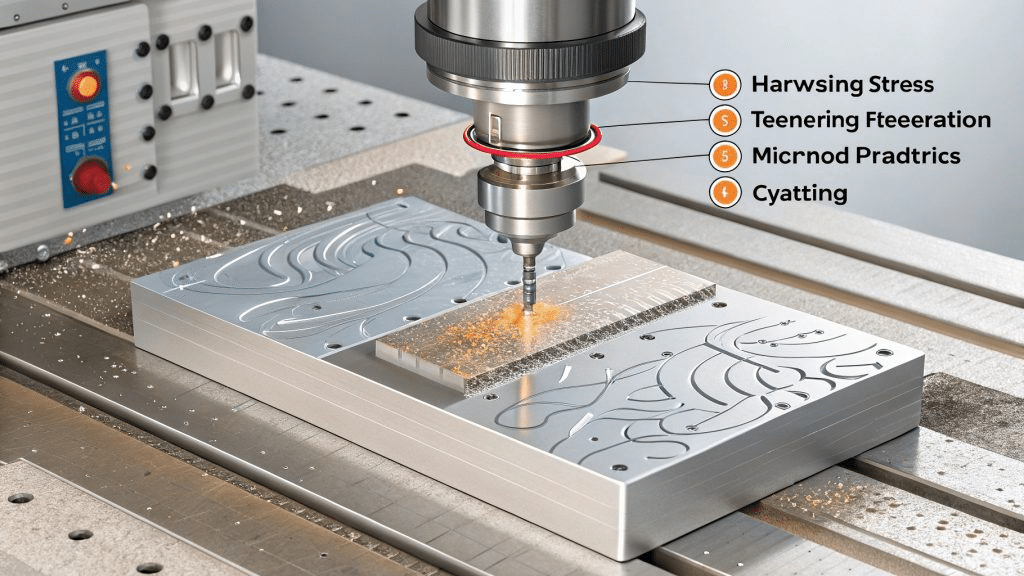
How Tool Wear Management Affects CNC Machining Accuracy Over Time
CNC machining accuracy degrades gradually due to tool wear, introducing systematic dimensional drift rather than sudden defects. This guide explains why unmanaged wear erodes process stability over time, even with solid setups, and positions tool wear management as a core process control discipline for maintaining consistent results in long-run production.
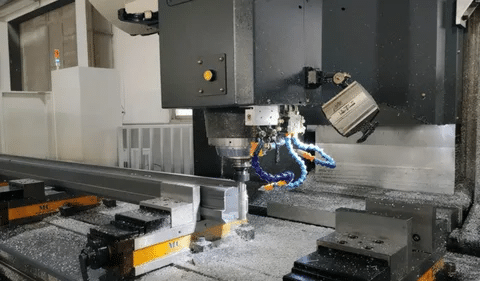
How CNC Machining Strategy Influences Total Manufacturing Cost
CNC machining cost is more than machine rates or quoted prices. This article explains how machining strategy decisions influence total manufacturing cost by affecting consistency, variation, rework, lead time, and long-term operational efficiency in die casting projects.
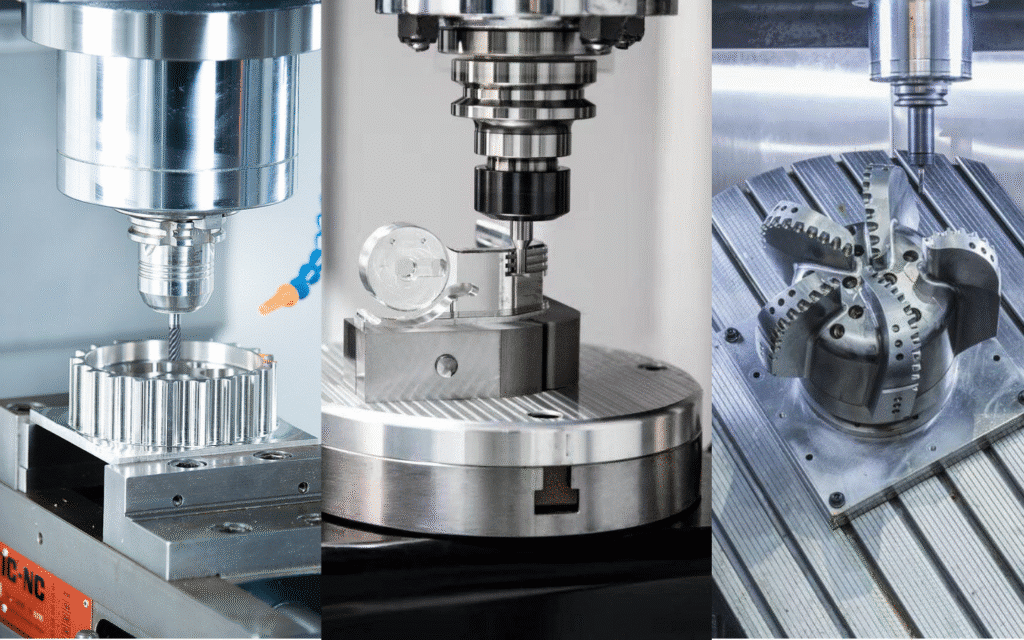
When Multi-Operation CNC Machining Is Required for Die Casting Components
Multi-operation CNC machining is sometimes necessary for die casting components due to geometry, tolerance, or surface requirements. This article explains when multiple machining operations are justified, how they affect risk and cost, and how OEMs can distinguish required complexity from avoidable inefficiency.