
With zinc die casting, the vast majority of defects are not random accidents, but are foreseeable situations because of design choice, variability of the process, or quality control lapses. It has been happening to me as a quality engineer in high-pressure die casting settings in more than 15 years: manufacturers of OEMs may tend to pursue such symptoms as porosity or surface defects in the inspection phase, believing that they are sufficient to obtain parts of quality. However, the fact is, these problems are seldom associated with the quality of materials only. Otherwise, they are process- and system-based, including improper design of gates that creates discontinuities in flows to thermal variations that create tolerance drift. The tools to achieve this are by preventing the root causes before they occur through locking up of tools, locking up of parameters and locking up of checks.
It is a better strategy to reduce scrap rates, as well as to develop trust in your supply chain. An example of this is during supplier evaluation, seek suppliers who have complete manufacturing capacity that incorporates defect prevention through design of moulds. That’s where OEM zinc alloy die casting solutions in to play with defects being rectified at an earlier stage and not rectified at later stages of production.
Why Defect Prevention Matters More Than Defect Detection
Defect prevention is not a feature that is to be desired or a bonus; rather, it is necessary in the control of costs and reliability of production in zinc die casting.
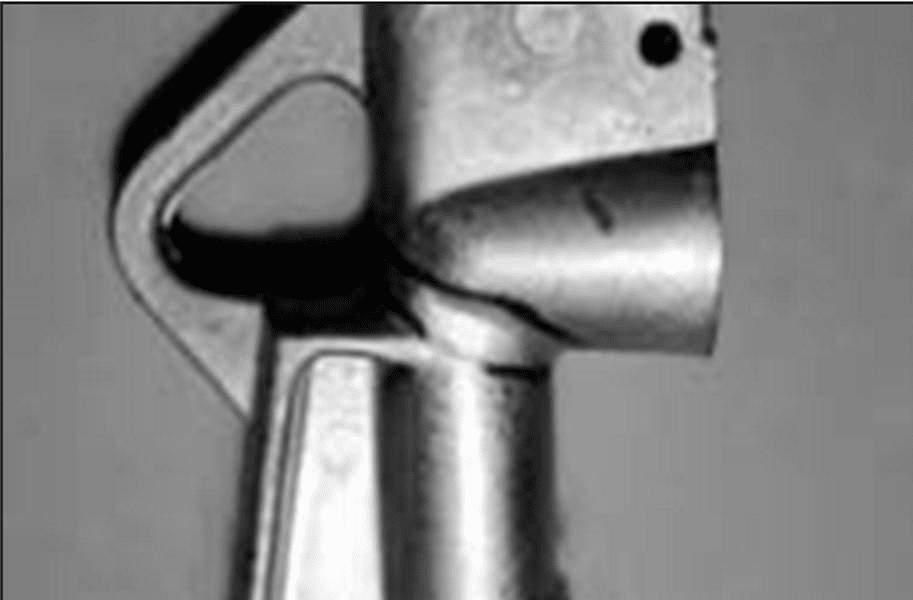
A financial dent has been experienced each time that defects are bypassed: scrapting can cost 20-30 percent of material costs, rework incorporates work in time and labor, and field failures are expensive to the customer in terms of warranty claims or recalls. In my own experience with auditing of lines at OEMs, my average calculations have been that reactive inspection can frequently leave as many as 40 percent of internal defects undetected until attempted in a stress test or as the assembly. A simple check such as visual inspection or rudimentary gauging will not solve a fundamental instability, it is mopping the floor and not repairing the pipe.
Swapping to prevention implies the design and processes controls: isolating melt temperatures to limit gas porosity or developing runner systems to fill uniformly. Such a mentality minimizes variation, shrink lead time and enables just-in-time delivery without fire fighting every day.
| Quality Approach | Focus | Long-Term Outcome |
| Defect Detection | Identifying flaws after production via inspection | Higher scrap/rework costs; inconsistent quality; reactive fixes |
| Defect Prevention | Stabilizing processes and design upfront | Lower defect rates; predictable yields; cost savings from reduced waste |
Overview of Common Zinc Die Casting Defects
Zinc die casting defects are repeatable in their nature due to low melting point (c. 419 C) of zinc and quick solidification which require great care- any error enhances the problems.
We sort them into three broad types: surface, such as flow marks as an aesthetics issue, internal, such as the presence of voids that impair strength, and dimensional issues, such as a change in tolerances that affect fit. They are not singel ones, but are related to others such as process variables such as injection speed, die temperature and alloy composition. Interpreting them as systemic indicators assists engineers to get to cause and effect origins, be it vent space not sufficient resulting in trapped air or poor thermal controls resulting in shrinkage.
| Defect Type | Visible Symptom | Typical Root Cause Category |
| Surface | Flow lines, blisters | Flow dynamics, cooling rates |
| Internal | Porosity, cracks | Gas entrapment, shrinkage |
| Dimensional | Warpage, size variation | Thermal expansion, tool wear |
Porosity and Internal Voids
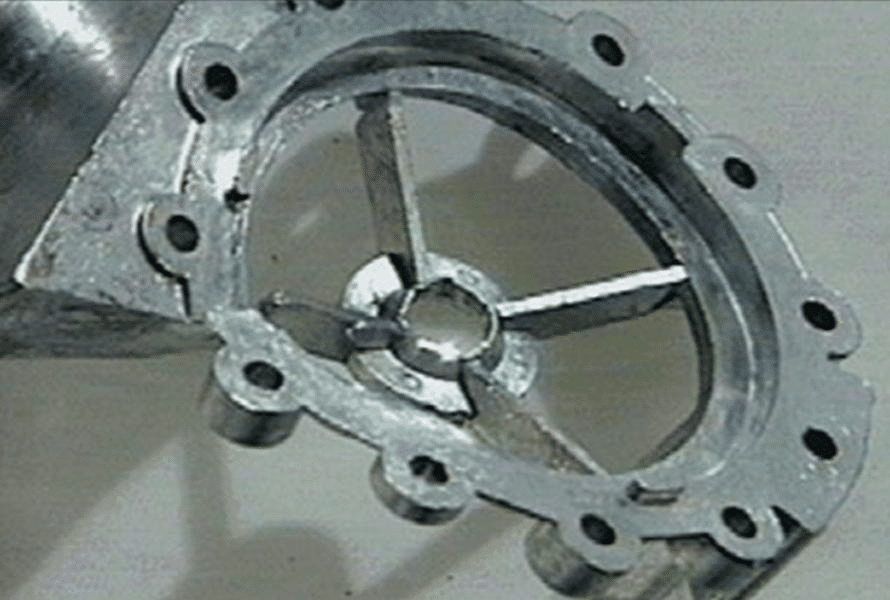
Porosity is still amongst the most difficult defects in zinc die casting that tends to compromise part integrity without visible external indication.
It is mainly caused by the entrapment of the gas during the injection at high speed, whereby the turbulent flow becomes entrapment of the dissolved gases or air in the melt. Shrinkage porosity occurs in the solidification process as zinc shrinks, -1-2vol. -forming voids unless feeding paths are optimal. This strikes a deadly blow to mechanical properties: tensile strength may reduce 20-30% in porous bodies, and any plating sticking to it will fail because of gases escaping in the process of finishing.
Prevention begins with the process tuning: processes should be maintained at 420-440 degrees C temperature to ensure that fewer gases are soluble, vacuum-assisted die casting of critical parts should be considered, and overflows designed to evacuate gases efficiently. Die temperature control (180-220C) allows the even cooling of the die to reduce hotspots during shrinkage.
For deeper insights on how alloy properties aid this, check out the dimensional stability of zinc alloy die casting.
Cold Shuts, Misruns, and Incomplete Filling
Cold shuts and misruns Cold shuts and misruns are where molten zinc does not completely fill the cavity or seam completely and the resulting seams or unfilled parts weaken the part.
These are due to a blockage of the flow: when the metal solidifies too quickly before being mixed (below 380 o C at flow fronts) it is solidified before it can be combined. This is aggravated by thin walls (less than 1mm), which have the effect of rapidly losing heat, and bad design of the gate/ runner, which results in dead zones or undue turbulence.
To stop, metal flow simulation is given priority in the die design by engineers; that is, the gates should have velocities of 30-50 m/s in clean filling. Warm-up evenly and maintain firing rate to prevent premature freeze-off. Practically I have solved these by increasing the width of runners, or by adding several gates, and reduced the misrun rates by more than half.
Explore more on thin-wall zinc alloy die casting design limits for practical tips.
Dimensional Variation and Tolerance Drift
Surficial flaws such as flow marks, cold flakes and blistering may destroy aesthetics and necessitate expensive secondary processing.
Flow marks develop as a result of unbalanced velocity in the filling process, developing ripple patterns; cold flakes are solidified droplets splashing forward; Bubbles are formed by trapped gases, which expand after being ejected.
Prevention measures include die polishing to Ra 0.4 v 2 and optimum spray release agents and controlled injection profile to laminar flow jumps.
See zinc alloy die casting tolerances for how to hold tight specs.
Surface Defects and Cosmetic Issues
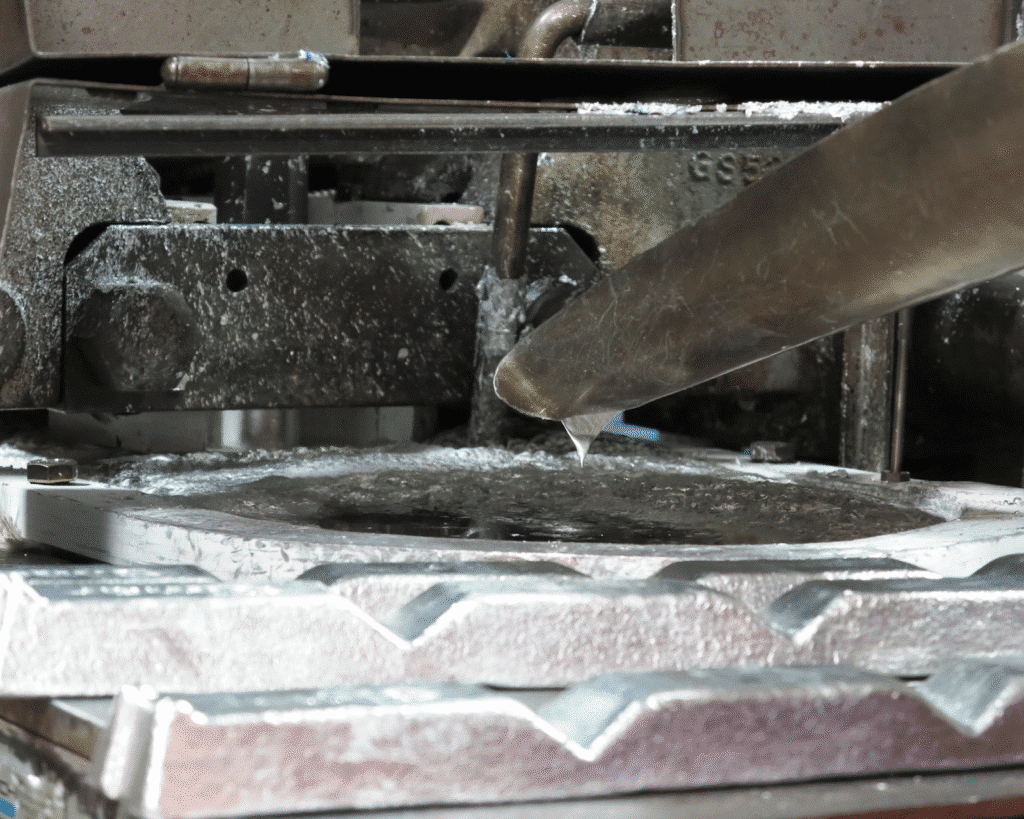
Surficial flaws such as flow marks, cold flakes and blistering may destroy aesthetics and necessitate expensive secondary processing.
Flow marks develop as a result of unbalanced velocity in the filling process, developing ripple patterns; cold flakes are solidified droplets splashing forward; Bubbles are formed by trapped gases, which expand after being ejected.
Prevention measures include die polishing to Ra 0.4 v 2 and optimum spray release agents and controlled injection profile to laminar flow jumps.
| Surface Defect | Likely Cause | Preventive Action |
| Flow Marks | Turbulent filling | Slower initial injection, better venting |
| Cold Flakes | Metal splash | Die preheat, adjusted plunger speed |
| Blistering | Gas expansion | Vacuum die casting, alloy degassing |
How In-House Quality Inspection Prevents Recurring Defects
In-house inspection is never about finding all defects but is a feedback process that perfects the processes to such extent that the defects multiply.
With early integration of CMM, X-ray, and spectrometers, teams are able to identify developing trends such as increasing porosity caused by alloy impurities and correct melt treatments. This cycle; detect, analyze, adjust, creates consistency, which is in contrast to outsourced checks which delay insights.
Discover how quality inspection in zinc die casting manufacturing ties it all together.
Common OEM Misconceptions About Defects
One large trap that OEMs have fallen into is the belief that defects could be identified once manufacture is done without taking into consideration sources.
Sorting as a method of fixing defects disregards the fact that sorting is an internally-blind fix that has no effect in eliminating recurrence. The solution to poor quality is Higher inspection frequency that just incurs extra costs but not stability. One-time correction does not provide a repeat character that does not take into account the overindulgences of seasons such as the humidity of the season on dies.
The fix? Require demand suppliers to have root-cause protocols, not inspection reports.
Conclusion — Defects Are Prevented, Not Inspected Away
Finally, the defects of zinc die casting are redesigned with a holistic approach: in the initial design verification or per real processes verification. A preventive philosophy based on the insight of material behavior and operational controls provides dependable parts which work in the automotive industry, the electronics industry, and other areas. The fixes and stability-based issues decrease the risks and emphasize innovation, particularly by manufacturers and OEMs.