Blog

image
Blog

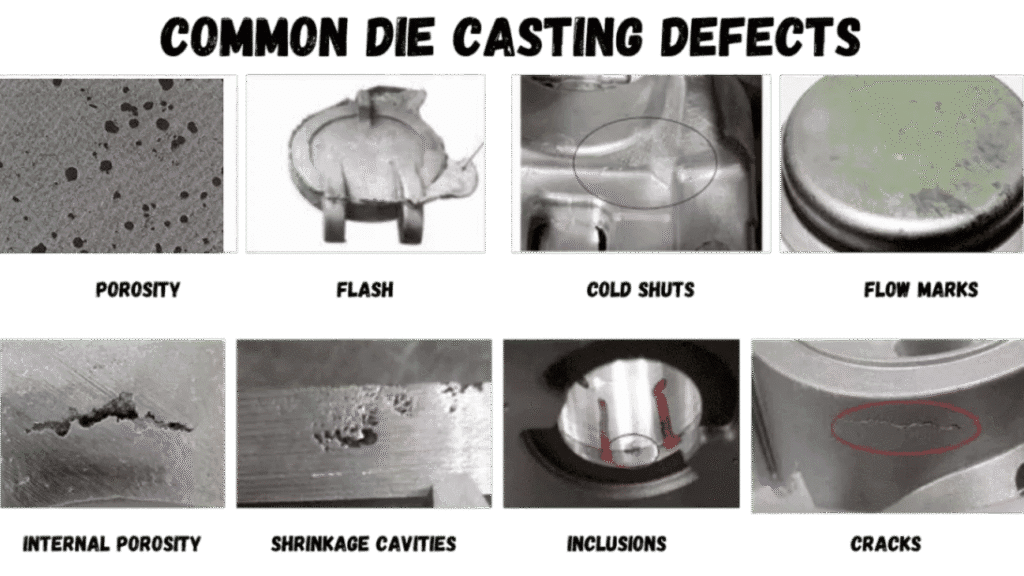
Common Defects in Zinc Die Casting and How to Prevent Them

Zinc die casting defects such as porosity, cold shuts, and dimensional variation are often the result of predictable process and design issues. This article explains the most common zinc die casting defects, their root causes, and how manufacturers prevent them through disciplined process control, tooling design, and quality inspection systems.
image
Blog

Thin-Wall Zinc Die Casting: Design Limits, Advantages, and Common Mistakes

Thin-wall zinc die casting enables lightweight, precise components thanks to exceptional fluidity and rapid solidification—but pushing limits without disciplined design often leads to filling issues, warping, or inconsistent quality. This guide covers realistic minimum thicknesses, alloy impacts, key rules to follow, frequent pitfalls, and when thin walls make sense versus safer alternatives.

image
Blog

Key Process Parameters That Affect Zinc Die Casting Quality

Zinc die casting quality hinges on precise control of key process parameters rather than inspection alone. This article breaks down how melt temperature, injection speed, pressure, die temperature, and cycle timing directly influence surface finish, dimensional accuracy, and internal integrity, helping engineers trace defects back to process variation instead of blaming tooling or material issues.

Scroll to Top